People & history
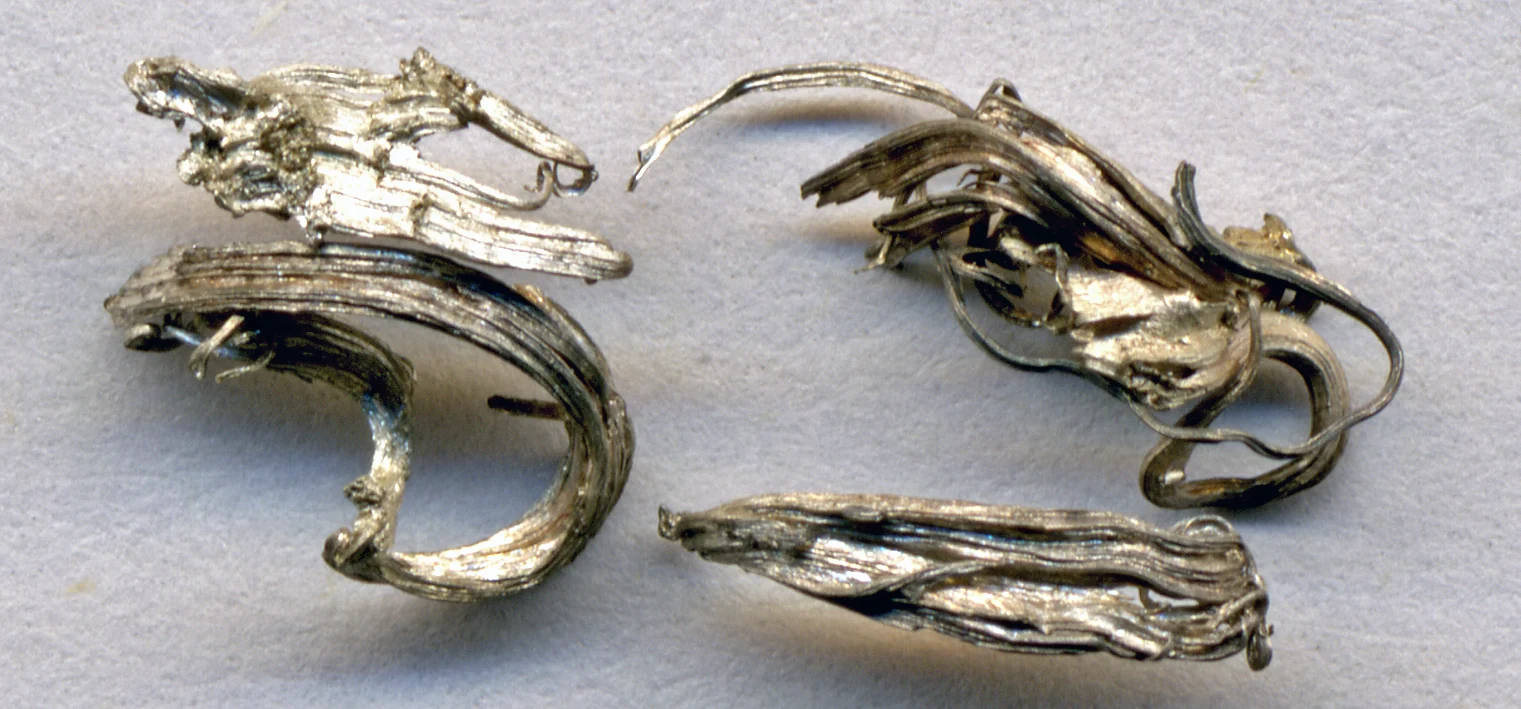
Four silver hoards, four ways to read the evidence
Four discoveries show how coins, containers, inscriptions and inventories help reconstruct the past—and where their evidence ends.

The Collect Silver Journal
Objects, people, traditions and the ideas that give a metal meaning.
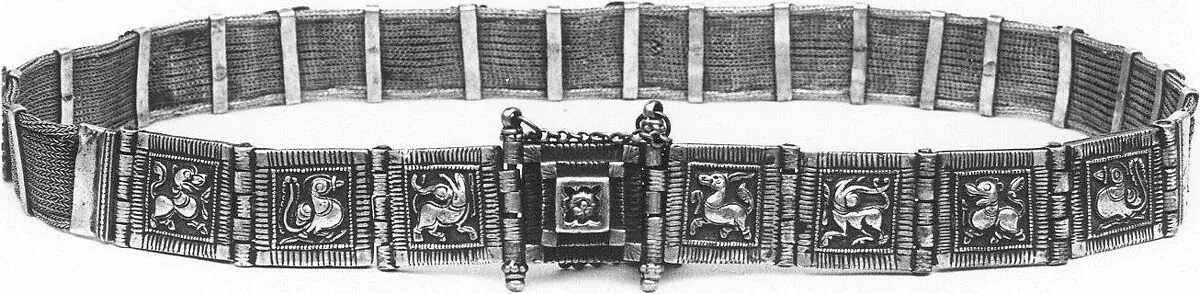
What is knitted silver wire? A South Indian belt in The Met shows why a chain-like pattern does not tell you how jewelry was made or what it contains.
Read the story133–141 of 141 stories
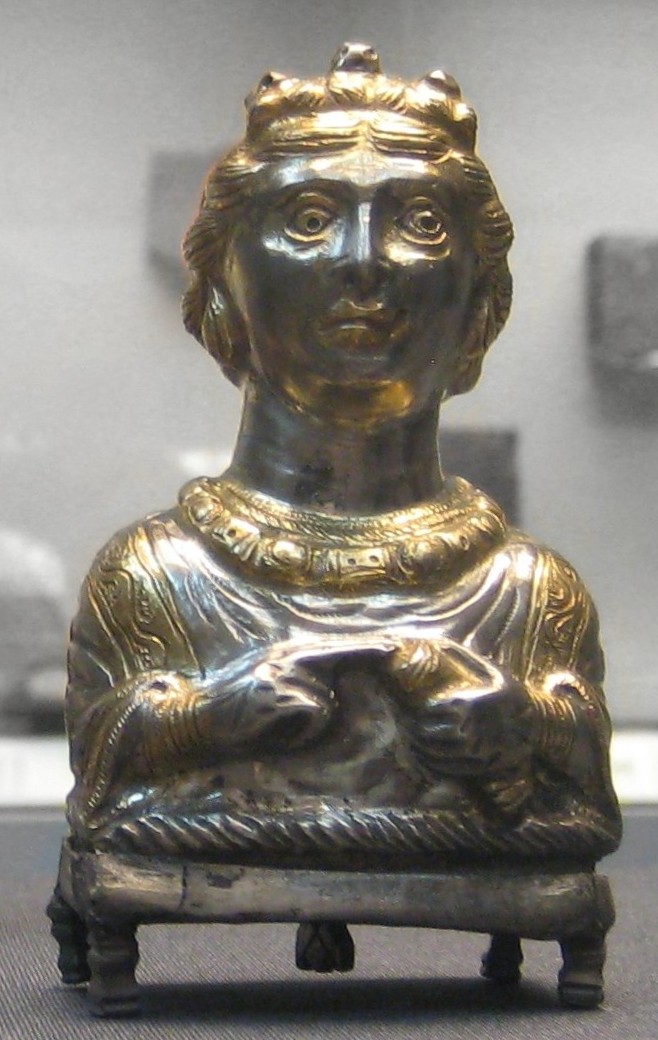
Four discoveries show how coins, containers, inscriptions and inventories help reconstruct the past—and where their evidence ends.
Coins, vessels and their wrappings tell different parts of a story. Learn to separate an object’s age, its burial and the evidence that connects them.
Explore how silver affects microbes, why biofilms complicate its use, and how laboratory findings differ from evidence for medical products.
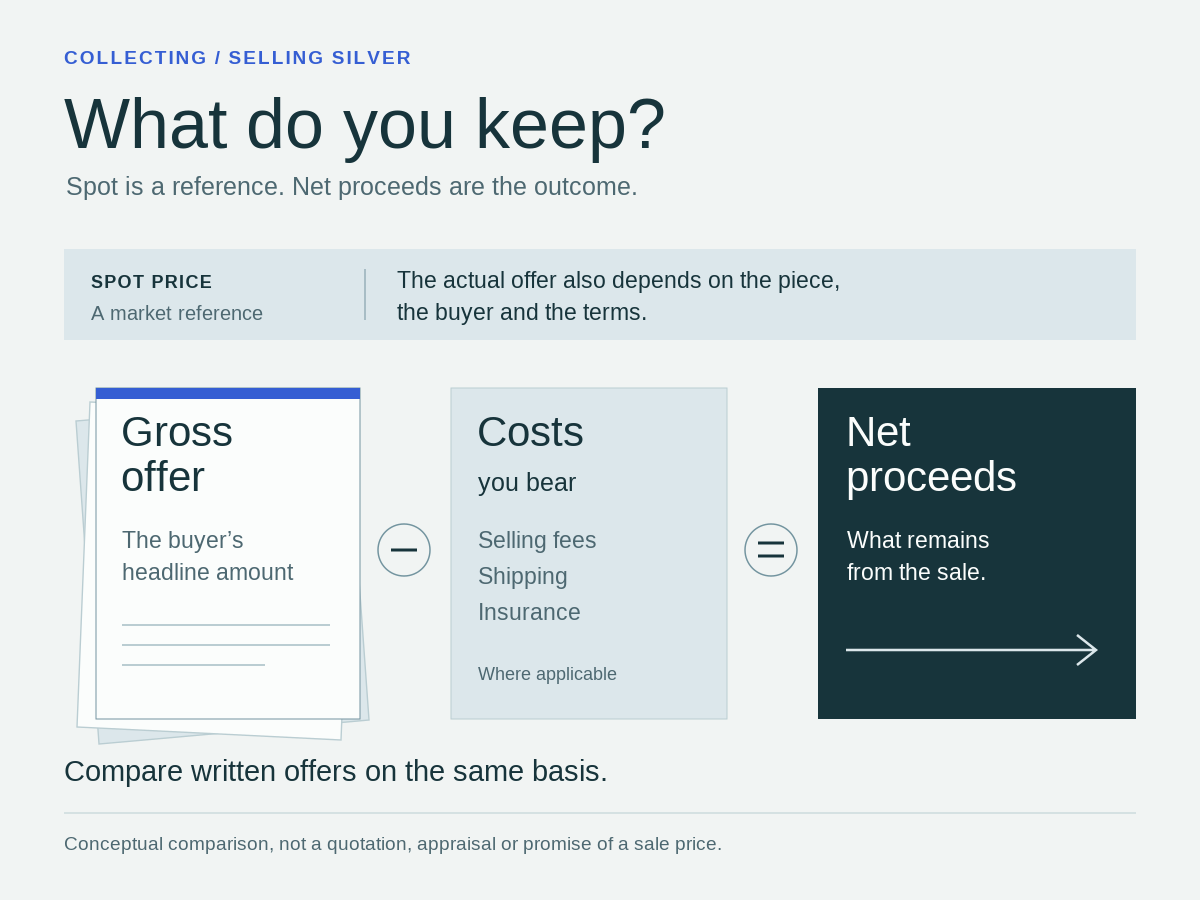
Learn how purity, weight, collector premiums, buyer spreads and selling costs affect a silver sale. Compare real offers, not just spot prices.
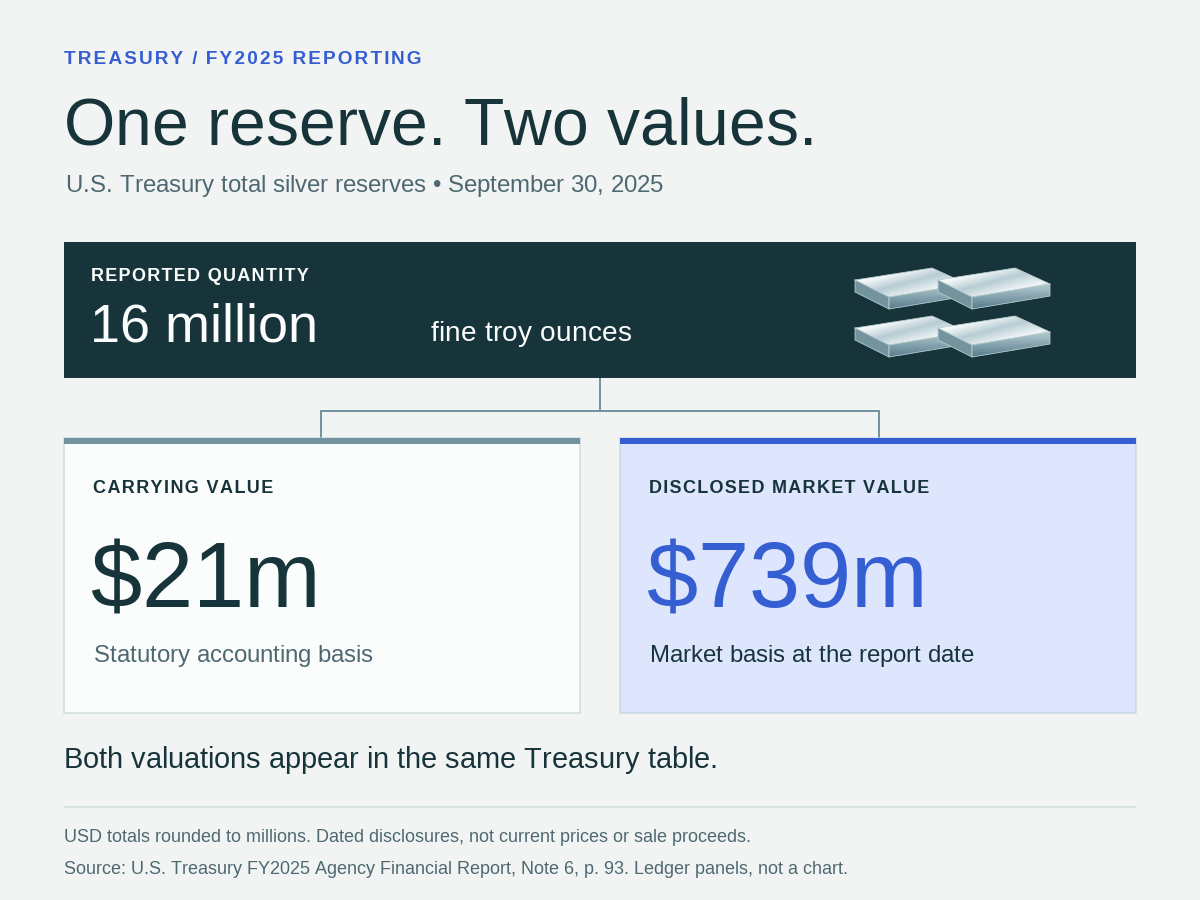
The $1.29 figure is a statutory accounting rate, not the silver spot price. Understand Treasury’s reserve valuation, market disclosures and deep storage.
Explore the color of patinated silver and auroras, from reflected light and surface films to light emitted high in Earth’s atmosphere.
Explore 2025 silver supply and demand, industrial uses and recycling, with source-checked figures and clear distinctions between use and loss.
Explore silver’s place among strategic materials, how official critical-mineral lists differ, and why industrial importance does not guarantee investment returns.
Purchase taxes, resale gains and the records collectors need, with U.S. rules and selected state examples checked in November 2026.
No stories in this topic.
Newest and oldest refer to additions to this archive, not the dates of the objects.