
Five Coin Dates That Need a Second Look
A dollar that arrived early, a date that outlasted a coin shortage, and a silver coin a mint still makes with a centuries-old date.
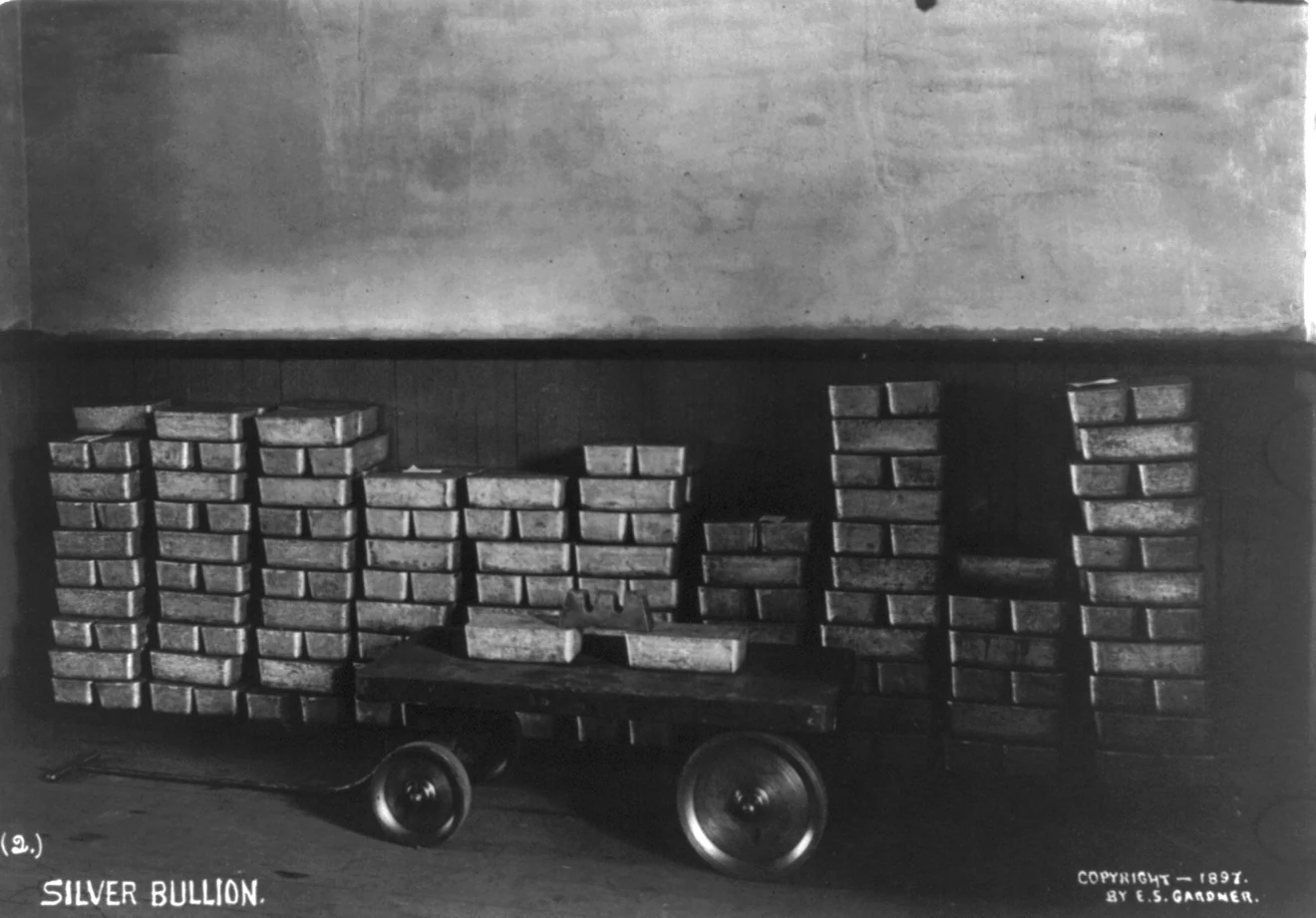
A coin has two sides, but sometimes it has two timelines. The date can mark an anniversary, a world’s fair or an instruction to the mint. The year the metal met the dies can tell a different story.
Start with an American dollar that reached the public ahead of its date. Count backward to the oldest inscription. The surprise is which of these stories is still going.
The countdown
5 in the countdown
The dollar that arrived early
Circulation release began October 13, 1975
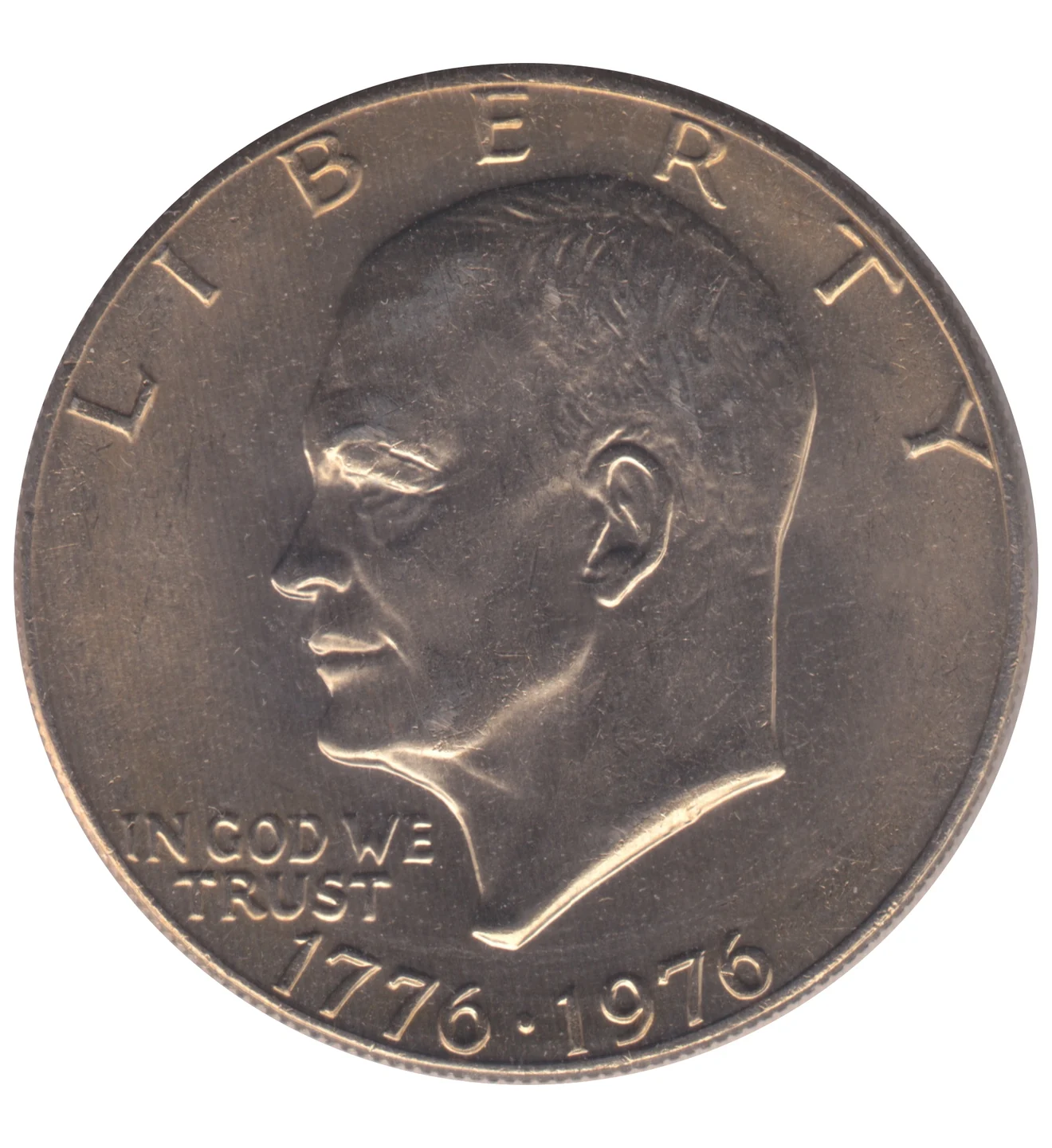
Philadelphia circulation example of the Bicentennial Eisenhower dollar, bearing 1776–1976. Photograph by Wehwalt, released into the public domain. The pictured coin’s individual strike year is not established. · Image credit and rights 1776–1976 on the coin
The Bicentennial Eisenhower dollar started going out in October 1975, before the anniversary year. Philadelphia’s example here is a copper-nickel clad circulation coin. San Francisco also made 40% silver collectors’ versions with the same two dates. The anniversary tells you why the design looks the way it does, not when this coin was struck or how much silver it contains.
Historical source: U.S. Mint release notice · Silver collectors’ issues
4 in the countdown
The half dollar that outlasted its date
Issue struck February 1964 to April 1966
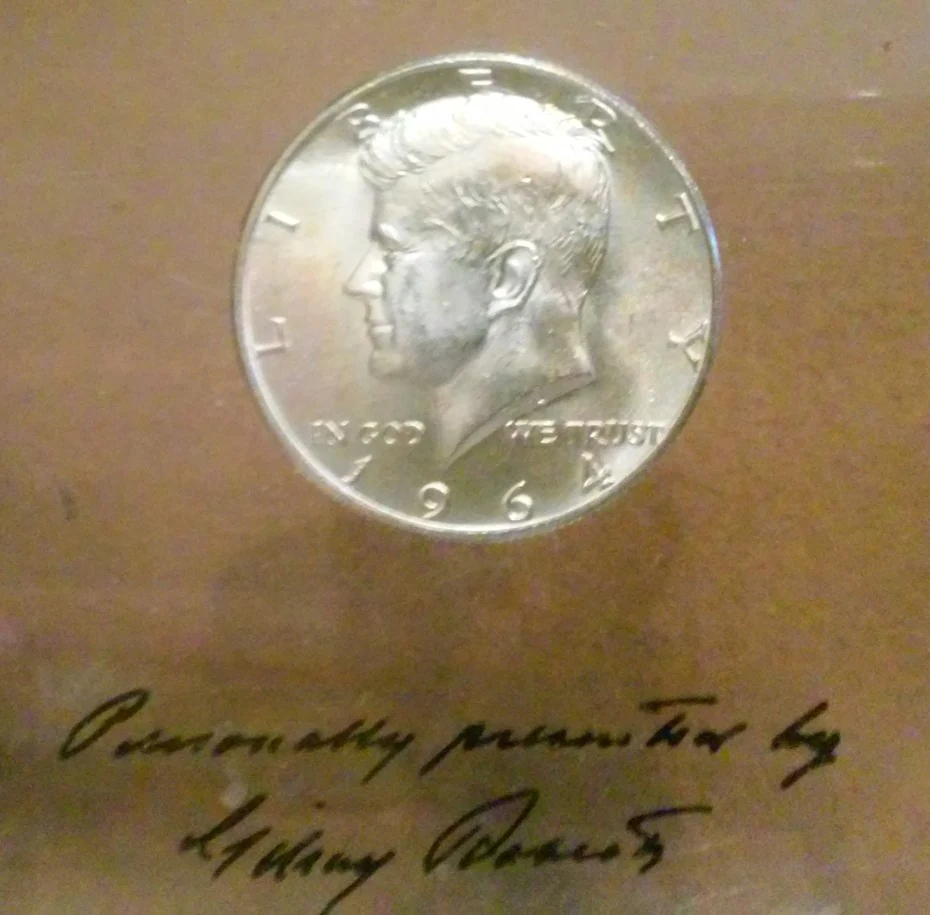
An original 1964-dated Kennedy half dollar from the Eric P. Newman collection. Photograph by Len Augsburger, CC0. The photograph does not establish which year this example was struck. · Image credit and rights 1964 on the coin
A Kennedy half stamped 1964 could have been made in 1966. During a coin shortage the Mint kept the old date in use. Its records show that Philadelphia struck 41,674,000 of these 90% silver halves in the first four months of 1966 alone. The same freeze explains why Denver’s unreleased Peace dollar trial also read 1964.
Historical source: Director of the Mint, Table C51, p. 72
3 in the countdown
The dollar that pointed to Paris
Struck December 14, 1899
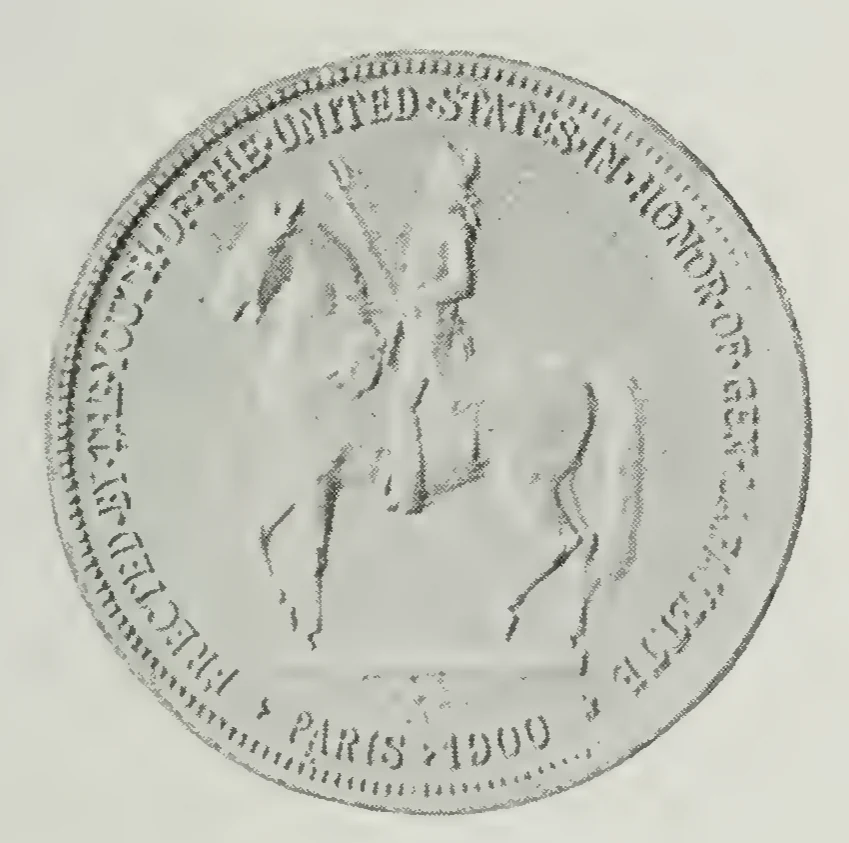
Lafayette dollar reverse, Plate II of Howland Wood’s The Commemorative Coinage of the United States, American Numismatic Society, 1922. U.S. public domain. · Image credit and rights Paris 1900 on the coin
Look below the horse. Those words name the Paris Exposition, not the year the press ran. Philadelphia struck the Lafayette dollar on the centenary of George Washington’s death. The sales helped pay for a monument to Lafayette in Paris. The inscription points forward to the fair; the day at the Mint points back to Washington.
Historical source: Howland Wood, American Numismatic Society, pp. 17–18 · Congressional authorization · Smithsonian object record
2 in the countdown
The diplomatic silver dollar
Class I first struck in 1834
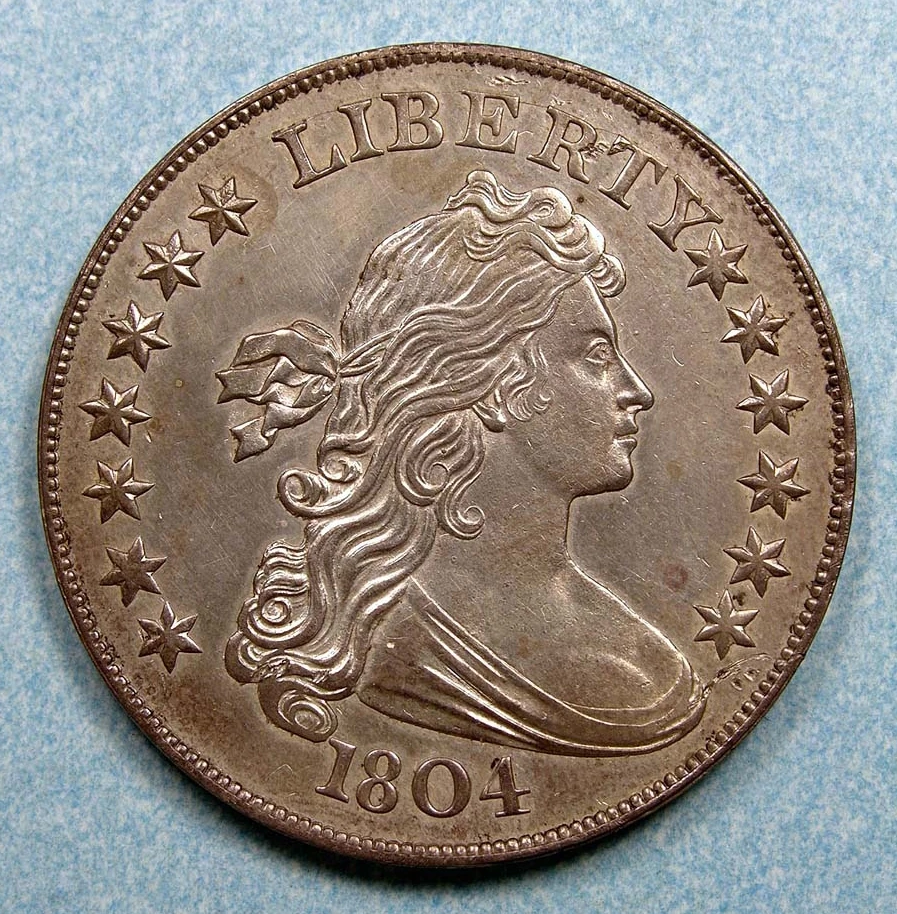
A Class I silver dollar bearing the date 1804. National Numismatic Collection, National Museum of American History, Smithsonian Institution. U.S. public domain (federal employee photograph); Public Domain Mark 1.0. · Image credit and rights 1804 on the coin
Thirty years separate the year stamped on this dollar from the first Class I strikes. The Mint made them for diplomatic gift sets, not as ordinary coinage in 1804. This Smithsonian example belongs to that first class. Later examples bearing the same date had a different history, so a date without its class won’t do.
Historical source: Smithsonian object record
The grand finale
1 in the countdown
The silver coin a mint still makes with an old date
Austria’s mint still strikes it with this date
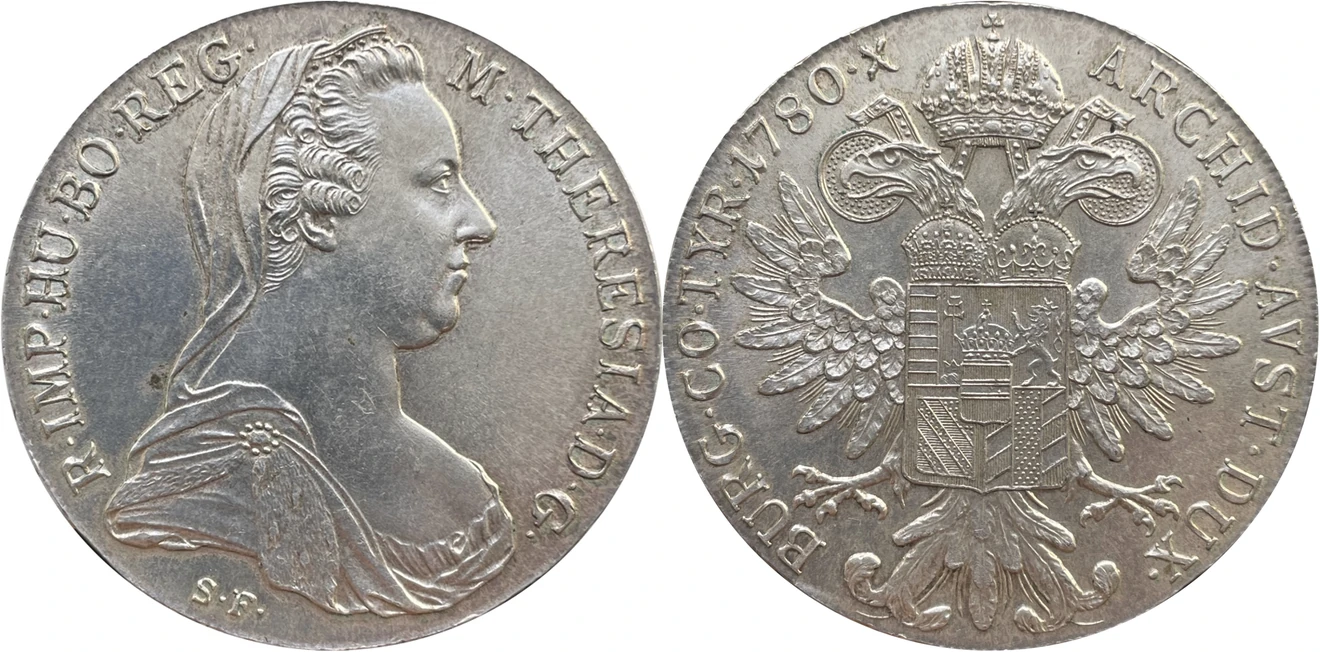
Maria Theresa thaler bearing the date 1780. Windrain / Wikimedia Commons. CC0 1.0 Universal Public Domain Dedication. · Image credit and rights 1780 on the coin
Read the year beside the double-headed eagle. It looks like a ticket to the eighteenth century, but Austria’s mint still puts 1780 on newly struck Maria Theresa thalers. The thaler stopped being official Austrian money in 1858. The design and date lived on. The four digits alone don’t tell you how old the coin in your hand is.
Historical source: Austrian Mint
You’ve reached number one.
Back to the JournalHow the countdown is ordered
We count backward by the newest year you can read on each coin. On a coin with two dates, the later one sets its place. The order doesn’t rank the coins by value, rarity or the size of the gap.
Each entry distinguishes the inscription from what the records show about striking or release. A photograph establishes what’s on that coin, not necessarily the year it came off the press.