
1. Find what draws you in.
A collection can begin with one coin, a spoon, a bracelet or a tiny sculpture. There is no required size or expertise. Start with something you enjoy looking at, wearing or learning about.
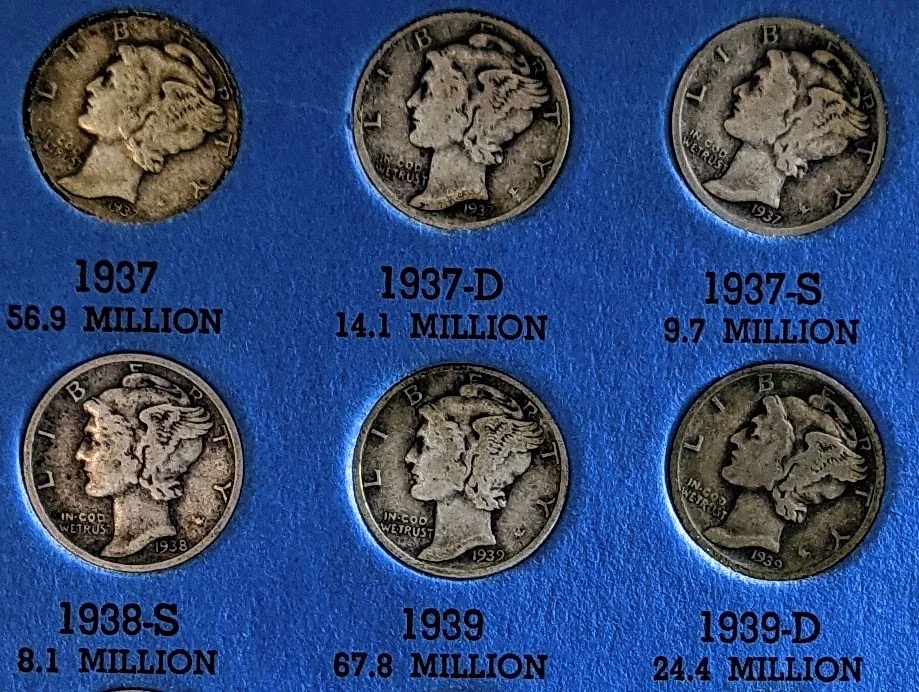
Choose a small question: Which Mercury dime dates appeal to me? How does a bracelet clasp work? Who made this spoon? What gives a miniature its character? Compare a few examples before deciding what to buy.
- Coins and bullion: compare design, date, mint mark and condition; rounds and bars offer another path.
- Jewelry: explore rings, chains and bracelets; check fit, construction and repairs.
- Flatware: study patterns, marks and wear on a spoon or fork.
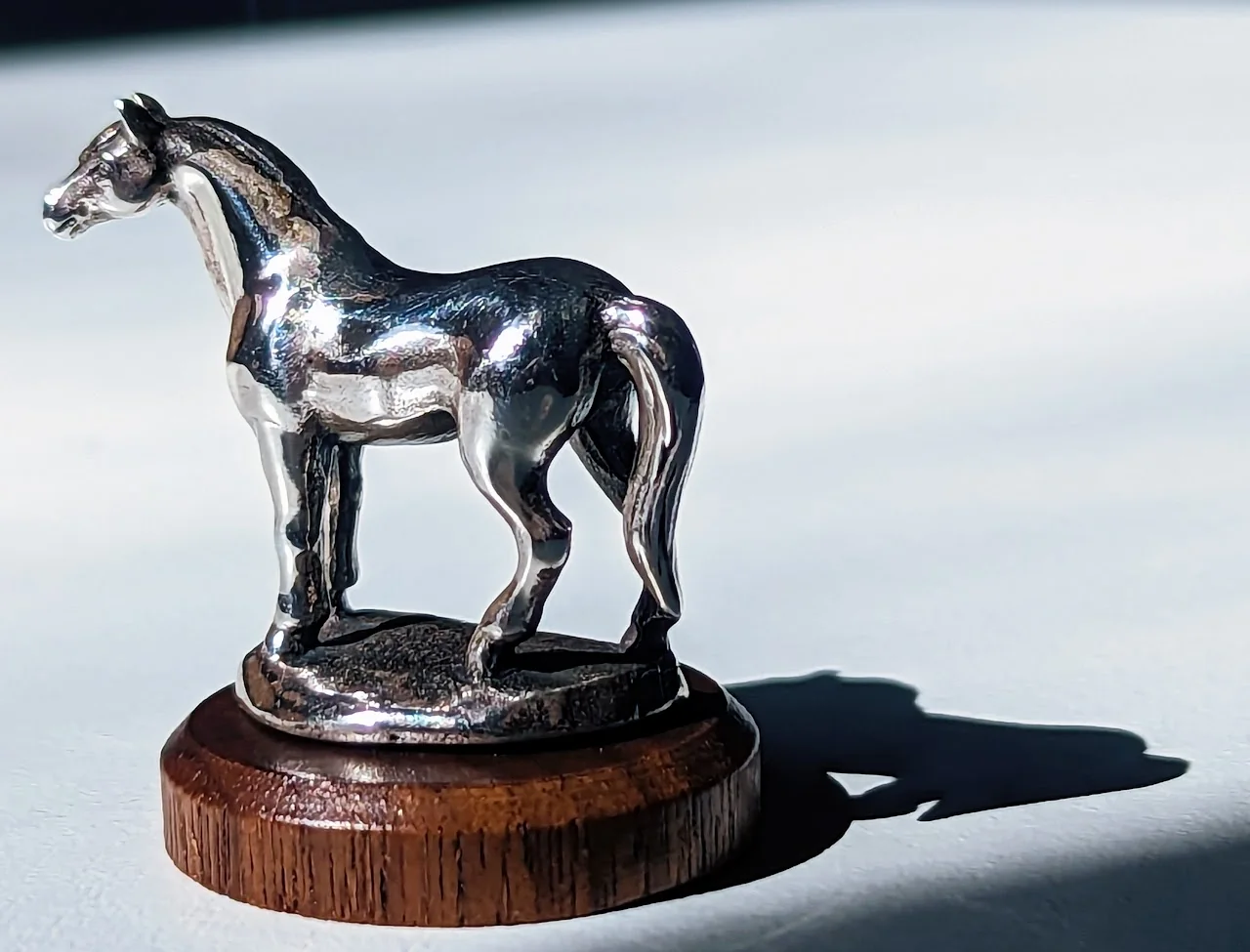
- Sculpture: follow an artist, animal or favorite character; examine the base and finish.
Browse the types of silver and the story of collecting for more inspiration.
2. Set a complete budget.
Choose an amount and pace that feel comfortable. Include the item price, shipping, taxes, auction or payment fees, a holder, storage and any insurance. Compare the total cost of similar pieces, not just their headline prices.
Spot price is a reference price for silver, commonly quoted per troy ounce (31.1035 grams). It is not necessarily the price a dealer will sell or buy at. The premium is the amount above the silver’s estimated metal value; fabrication, design, rarity, condition and seller costs can all affect it.
For sterling, multiply the actual silver-bearing weight by 0.925; do not count a wood base, filling, stones or steel blade as silver. A collectible may command more than metal value, but that premium may not be recovered. Silver prices, buyer demand, resale prices and returns are uncertain; collecting different types does not guarantee a profit. Compare current buyback offers as well as asking prices.
Explore collectible premiums and why resale can differ from spot.
3. Make a safe home for it.
Plan storage before the piece arrives. Keep silver in a stable, dry place; use appropriate individual holders or soft, nonabrasive storage to limit scratches. For coins, use archival, PVC-free holders and handle by the edges. Avoid polishing collectible coins or cleaning an unfamiliar finish: it can remove original surfaces and reduce value.
Consider a secure home safe or a bank safe-deposit box, access needs and the value you are protecting. Ask your insurer whether collectibles are covered, what documentation is needed and whether a separate policy is appropriate. Keep an off-site backup of your inventory without publicly sharing storage details.
See the silver-care reference and the U.S. Mint’s coin-care guide.
4. Know the seller and the silver.
Compare established dealers, specialist shops, auctions and individual sellers. Look for a verifiable business history and independent feedback, clear photos of the actual item, transparent shipping and fees, secure payment, and written return terms. Ask who pays return shipping, what happens if an item is misdescribed, and whether an auction sale is final. A good reputation is useful evidence, not a guarantee.
Ask for the exact weight, dimensions, composition, condition, repairs and images of marks and the underside. Compare claims with reliable references and comparable sold examples. A certificate or stamp alone is not proof; for an expensive or uncertain purchase, seek an independent specialist’s assessment. If essential information is missing, wait.
Read the material: .999 means 99.9% silver and sterling or .925 means 92.5%, when the description is accurate. Older coins can have different fineness. Silver plate is a thin layer over another material; “silver-colored” and “nickel silver” do not establish silver content. Weighted sterling can contain non-silver filling. Marks can be misleading or forged, so assess the whole object.
Use the authenticity guide, marks and hallmarks guide, and makers and dealers directory to investigate further.
5. Start small and look closely.
One well-chosen piece is enough to teach you what you enjoy. Consider different forms without feeling obliged to buy them all. Examine the surfaces, marks, size and construction, and ask whether the piece still appeals to you at its complete price.
For a sculpture, find out whether the stated weight includes a base. For a knife, ask about the blade and filled handle. For jewelry, check clasps and repairs. For a coin, compare its exact issue and condition. Browse the collection for examples.
6. Keep the story and keep learning.
Give each piece a simple ID. Record the maker or attribution, date, material and visible marks, dimensions, condition, source, purchase date and total cost. Photograph the front, back, marks and any damage. Save receipts, seller descriptions and certificates, and distinguish what you observed from what a seller claimed. Back up your records securely.
Use the collection record worksheet. Then follow a question: compare marks, research a maker, visit a museum or ask experienced collectors. The reference desk and collector community are good places to continue. Your interests can change as you learn, and that is part of the fun.
For further reading, see FTC jewelry buying guidance and ICOM’s Object ID documentation standard.
Once you have a direction, follow the question your next piece raises: who made it, what its marks mean, or how to look after it.
The names worth researching
Meet the makers and dealers.
Explore dated profiles of mints, bullion dealers, jewelry houses and antique specialists, with company histories and sources to help you look closer.
Browse the makers & dealers directory →Collect silver bars and rounds
Follow an ingot from its making to its markings. Our collector’s guide combines the stories of private bullion with practical weight calculations, variety research and proportionate verification.