 Coins
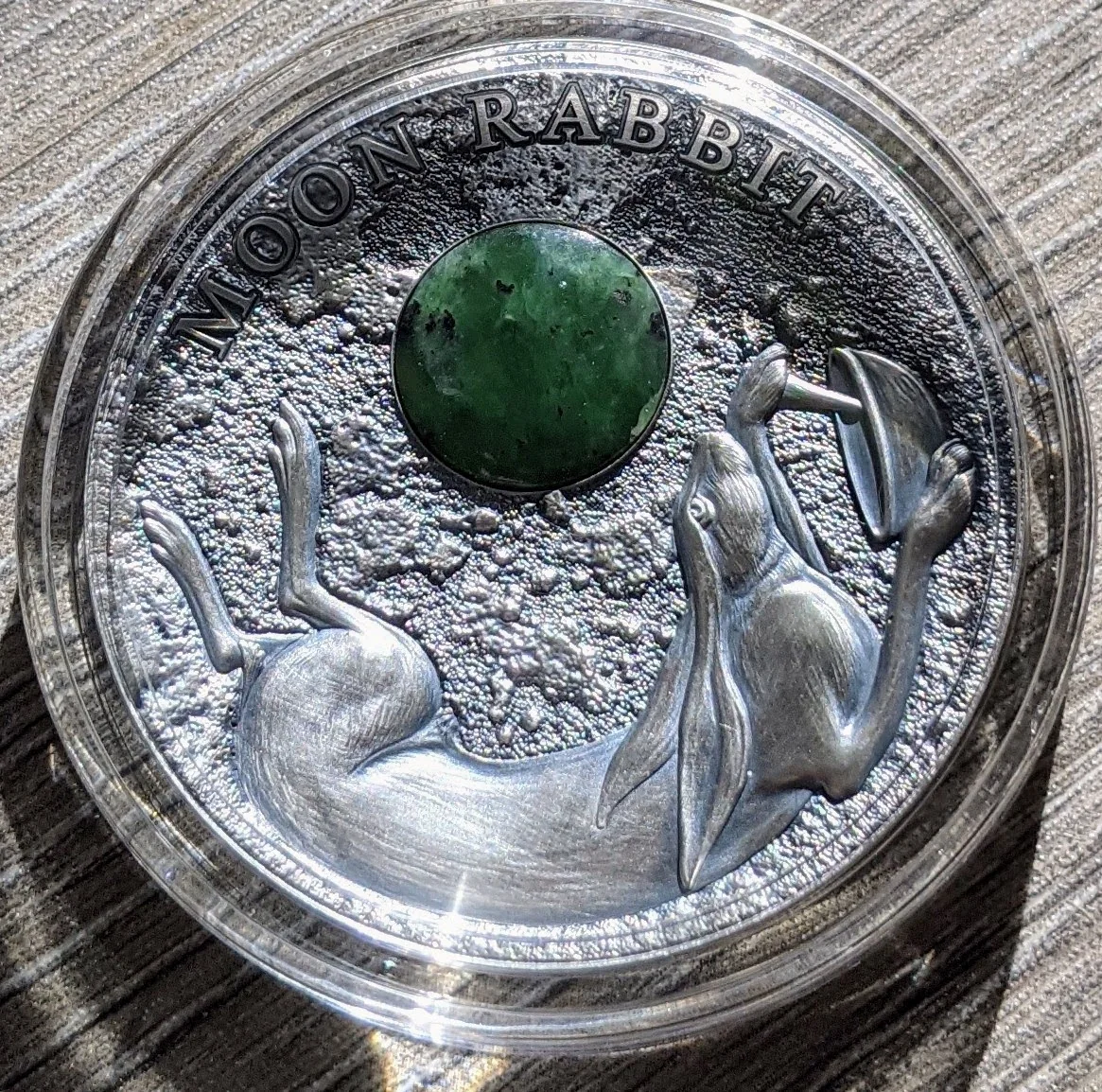
The Moon Rabbit
Lunar folklore, sculpted in silver.

A world of history and design, small enough to hold in your hand.
CoinsLunar folklore, sculpted in silver.
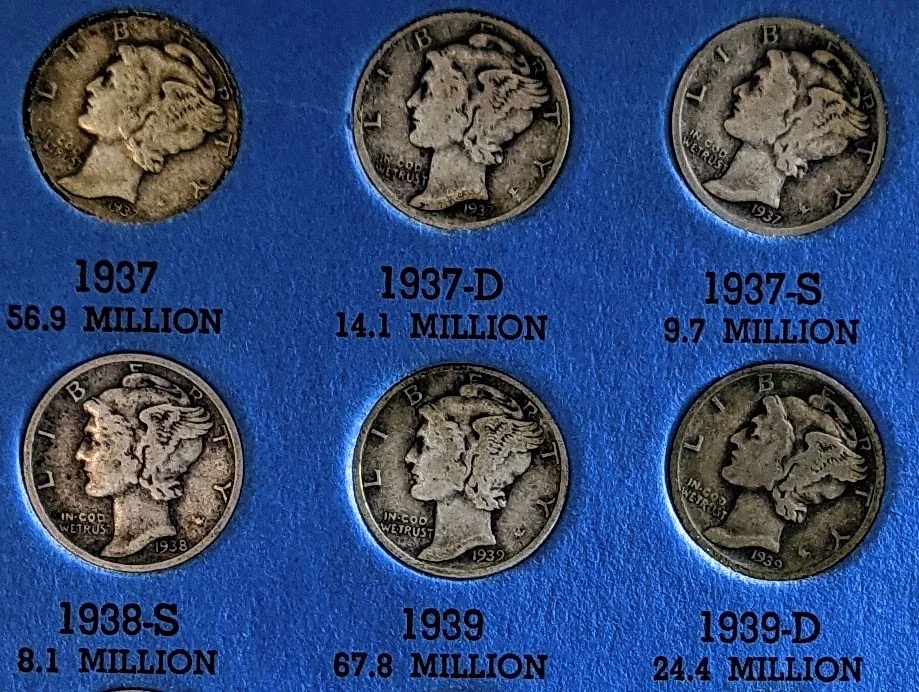 Vintage coins
Compare coins by date, design, and metal.
Government-issued coins, privately minted rounds, and cast or minted bars offer different combinations of design, metal content, and collectibility. Some pieces are legal tender; others are made expressly as bullion or art.
For a bullion piece, look closely at weight, purity, and the premium over metal value. For a historical or limited-edition coin, condition, provenance, rarity, and collector demand also matter. An attractive design does not guarantee a future return.
Find your collecting directionA silver coin can be everyday money, a piece of monetary history, a modern bullion issue, or a miniature artwork made for collectors. Those purposes overlap, but they give you different things to investigate. Start by identifying the issuing country, denomination, date, maker, weight and fineness. Then ask what drew you to the piece: its design, historical setting, metal content, or place in a series.
Coins have an issuing authority and monetary denomination. Bullion rounds resemble coins but have no legal-tender status; bars are another bullion form. Neither a circular shape nor the word “mint” in a company name makes an object official currency. A collector coin can also involve a specialist producer working for an issuing country. Rich’s Moon Rabbit, recorded as a Niue 2021 issue by Mint 21, is a useful example of why country and maker deserve separate entries.
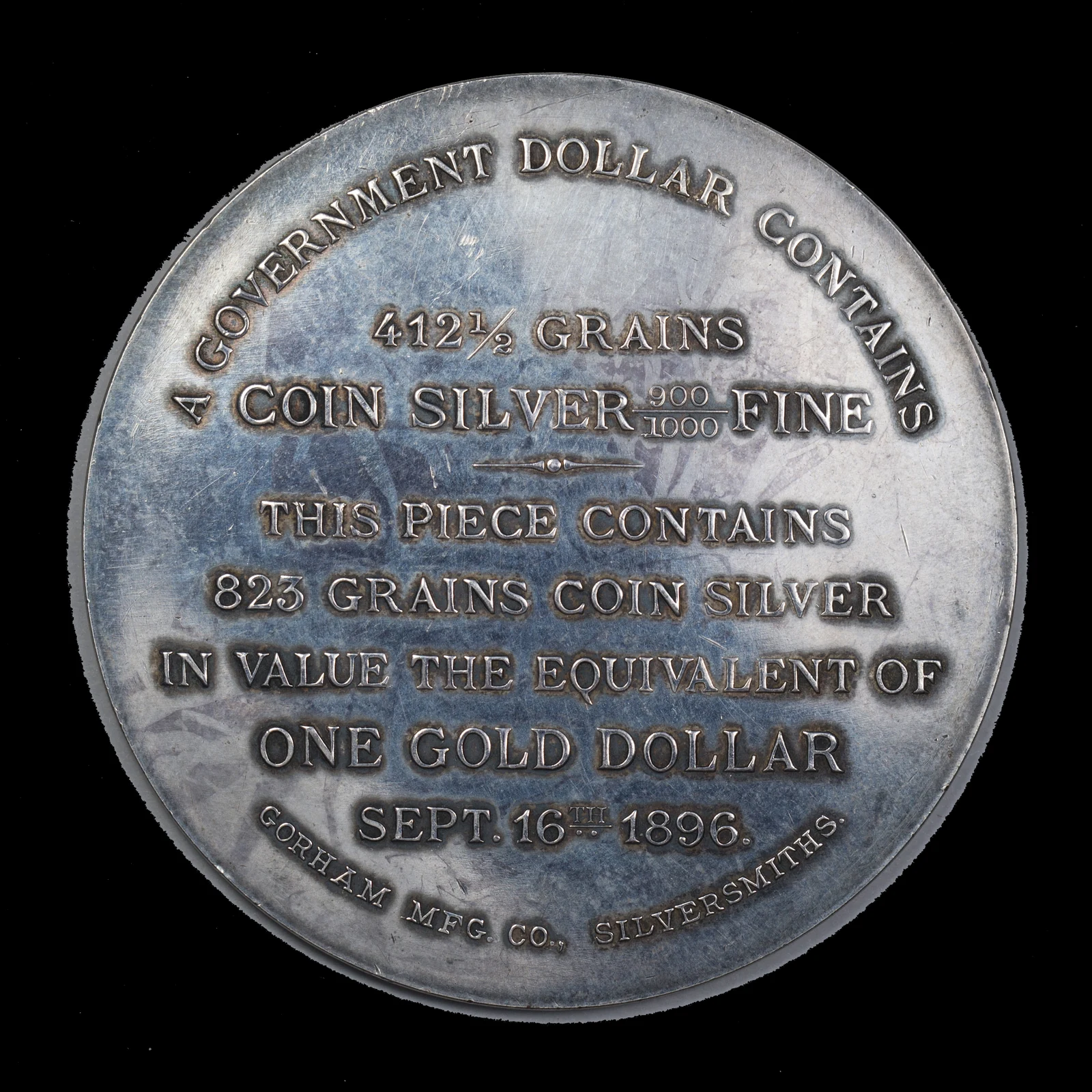
Silver’s history as money gives older coins an interest beyond their metal. In the United States, the 1792 coinage legislation provided for silver denominations from the half dime to the dollar. These were units of exchange, with designs, weights and standards belonging to particular periods. A worn circulating coin and a freshly made bullion coin need different descriptions.
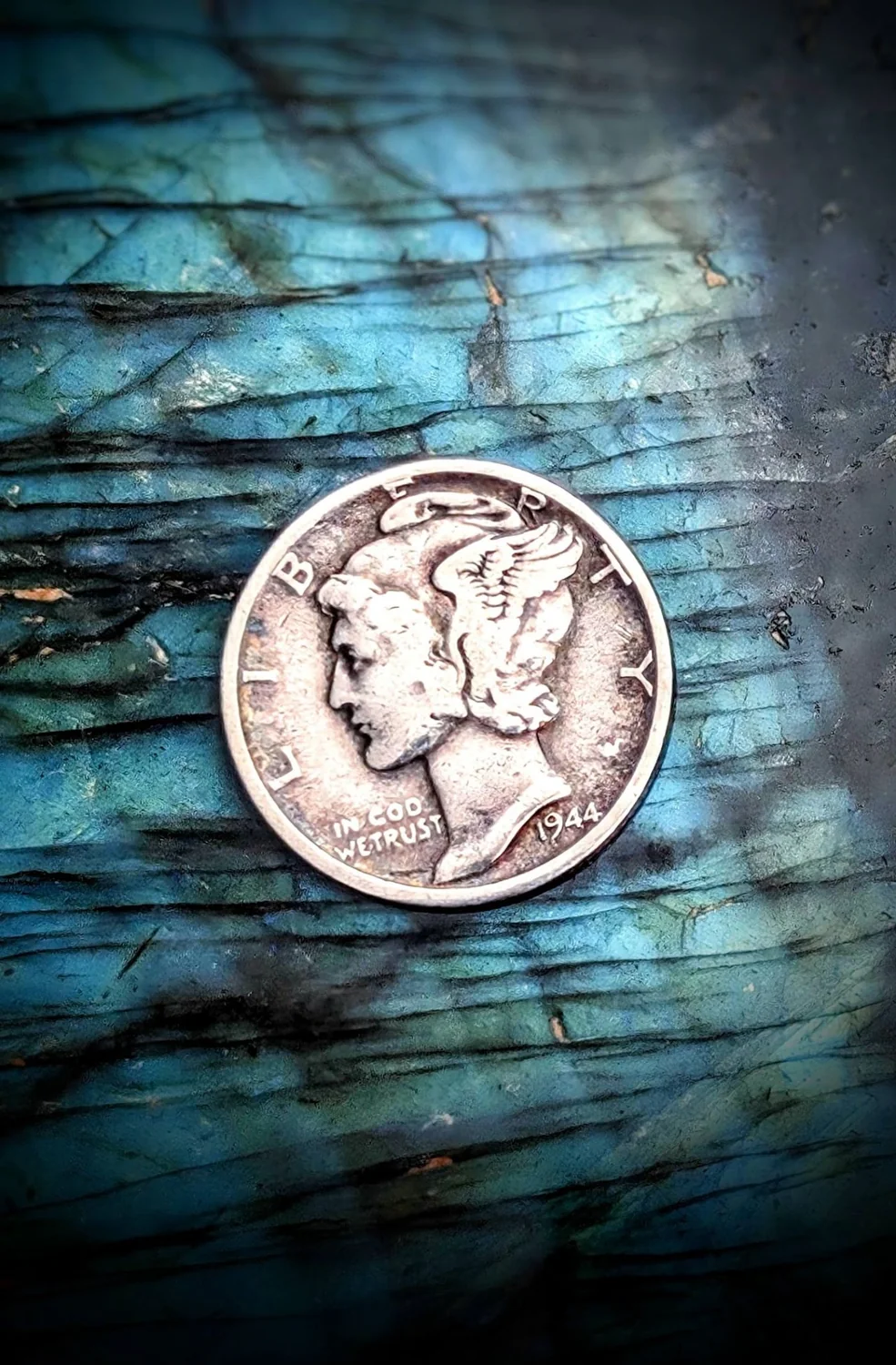
Use these dates as starting points, not a universal test for every country or collector issue. Our coin collecting guide uses Rich’s Mercury-dime album to introduce ways to compare coins.
Face value is the monetary denomination. Metal value depends on the quantity of fine silver and a stated silver price. Collector value reflects what someone will pay for the particular issue and example. The American Silver Eagle’s one-dollar denomination is separate from its one-troy-ounce silver specification and its market price.
A premium is the amount charged above the underlying metal value. A purchase can include fabrication, distribution and dealer costs as well as demand for a particular design. For collectible issues, do not assume a low edition number creates a valuable secondary market. Compare actual completed sales for the same issue, finish and condition, rather than treating an ambitious asking price as an appraisal.
Before buying, calculate the delivered cost and ask what a dealer would pay to buy the same piece back. The difference matters. Selling costs, storage and insurance may also affect the result. Metal prices and premiums can fall; collecting pleasure does not require a promise of appreciation.
Precious metals use the troy ounce: about 31.1035 grams, rather than the everyday ounce of about 28.3495 grams. Record the unit explicitly. Fineness expresses the silver proportion: .999 means 999 parts per thousand. For a homogeneous silver-alloy piece, multiply its metal weight by its fineness to estimate fine-silver weight. Do not multiply a packaged object’s total weight, or include a stone insert, as though everything were silver.
Size also deserves its own line. Moon Rabbit’s recorded diameter is 50 millimeters; its 50-gram specification describes weight, not width. A scale cannot establish authenticity or composition by itself. Compare the appropriate issue specifications and seek competent examination when the identity or material is uncertain. The silver-authenticity guide explains why several kinds of evidence are needed.
Official mints and private producers serve different collecting interests. The United States Mint and Royal Canadian Mint provide documented examples of national bullion coin programs. Private manufacturer Sunshine Minting produces bars, rounds and private-label bullion. Research the actual product and its specifications rather than ranking every object by the prestige of a name.
For design-led collecting, compare relief, finish, inscriptions and presentation. Moon Rabbit combines an antique finish, lunar imagery and a jade cabochon. Those features help explain its appeal as an object, but are not a substitute for checking condition or price. The existing maker profiles provide a next step when you want to investigate a name.
Handle coins by their edges over a soft surface and keep them in suitable holders. Avoid PVC-containing plastics and acidic storage materials. Retain original capsules, boxes and certificates where present, and record purchase details, photographs and identifying marks together.
Do not polish a collectible coin to make it look newer. Cleaning can alter the surface and reduce its value. Assess wear, scratches and previous cleaning separately from the intended finish. A modest, well-documented example can teach more than an expensive piece whose description you cannot verify.
Follow the question that interests you most: a historical denomination, the specification of a bullion issue, or the designs of private producers.
A closer look at United States coinage
Two coins can share a date and a denomination without sharing a purpose. Follow the designs, metal standards and details that distinguish historic dollars from modern issues.
Explore the silver dollar guideSilver, measured
Separate weight from fine-silver content, coins from rounds, and a stamped claim from the evidence behind it.
Explore the silver bullion guide →Coins tell a story of issuing countries and monetary systems. Private silver tells a parallel story of refiners, local businesses, commemorations and design. A poured ingot can reward a close look at its surface and stamps; a struck round can turn a familiar subject into a sequence of dates, dies and finishes.
Start with the exact object rather than the broad word bullion. Establish its maker, weight unit and fineness, then separate the silver it contains from the reasons a collector might pay more. A one-ounce round is not necessarily the same thing as a silver dollar, and an attractive vintage bar needs more evidence than a copied serial number or a claim of rarity.
Our bars-and-rounds guide follows those questions from the first inscription to the collection record. It explains gross and fine weight, cast and struck production, documented Engelhard and Johnson Matthey variations, the limits of collector mintage estimates, testing and storage. The aim is a collection you understand and enjoy, with a clear account of what you know and what remains uncertain.
The names behind this category
Follow the makers behind familiar bullion coins, then compare a dealer’s buying and selling terms. These existing profiles cover different roles in the coin market, not a ranked list.
Federal mint · Direct collector retailer · Wholesale bullion producer
The United States Mint makes federal coinage and sells collector products directly, while standard bullion reaches the public through a separate authorized-purchaser distribution system.
National mint · Refiner · Direct collector retailer
The Royal Canadian Mint manufactures Canadian coins and bullion, with direct collector sales and distinct distribution and return rules for bullion products.
Government-owned mint · Precious-metal refiner · Bullion and collector-coin seller
The Perth Mint is Western Australia’s government-owned mint and refiner, with separate terms for bullion, collector coins and other retail products.
Precious-metal retailer · Bullion buyer
JM Bullion is an online precious-metal retailer in the Gold.com group, with bullion, historic circulating silver and themed collector products.
Keep exploring other makers, metals and collecting interests.
Browse the makers & dealers directory →