
Every coin carries a story.
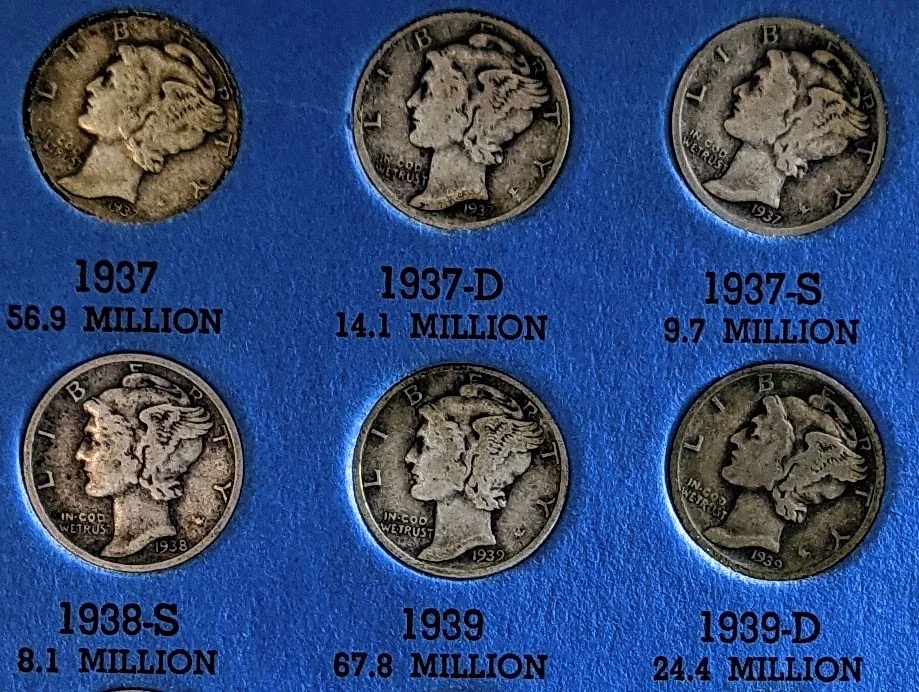
A coin can be a miniature record of an era: its imagery, date, mint mark, and wear all invite a closer look. Mercury dimes, Morgan dollars, modern bullion, and contemporary art coins offer very different experiences of the same hobby.
Collectors may focus on dates, countries, artists, condition, or simply a design they enjoy. A collection can be carefully organized or wonderfully eclectic.
Some silver belongs in your everyday life.
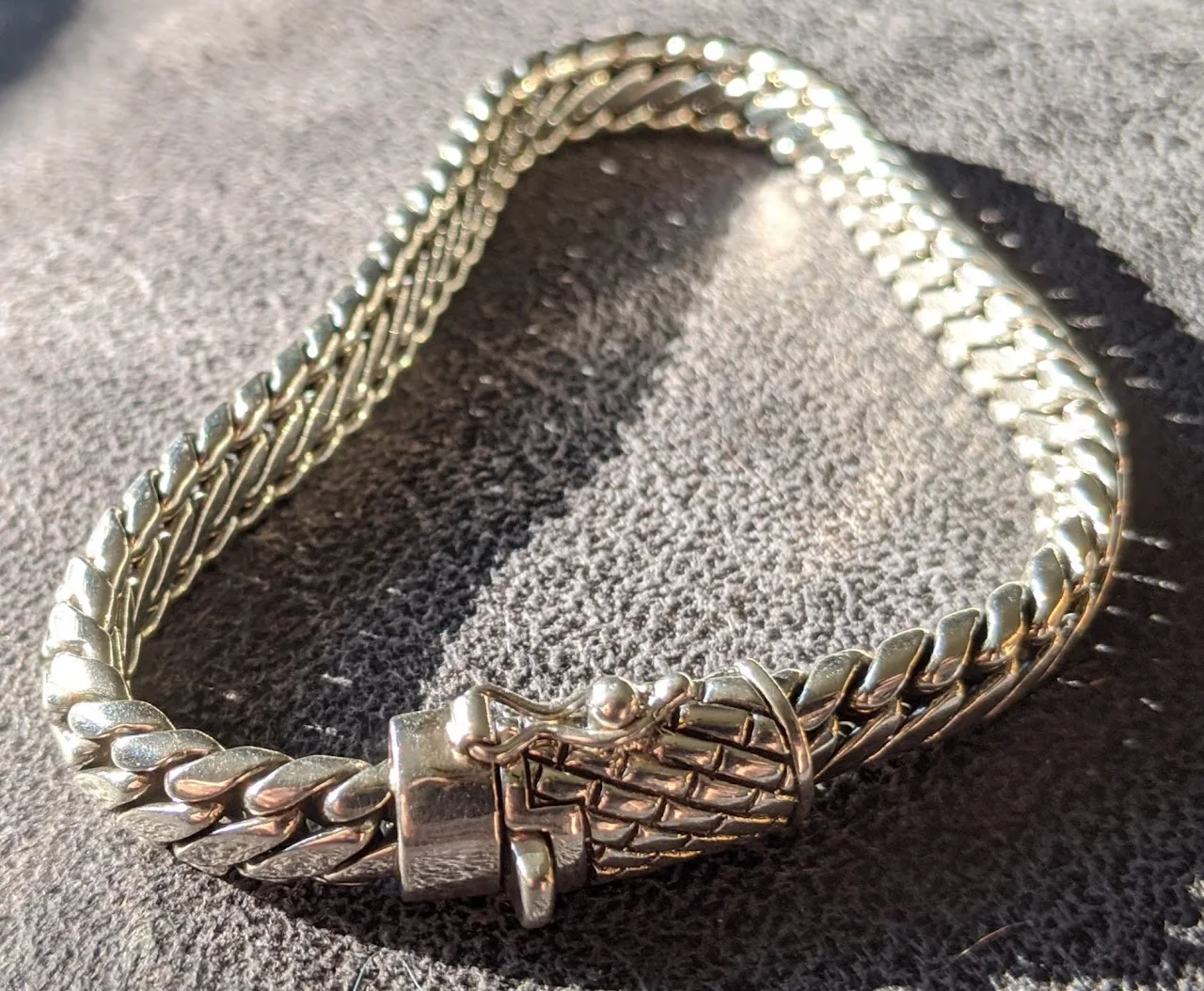
Jewelry brings silver off the shelf. A familiar ring or bracelet becomes part of a routine, while an inherited brooch or a vintage piece carries another person’s story into your own.
Give your interests a physical form.
Silver sculpture is where collecting meets art. A tiny horse, an intricately cast character, or an independent artist’s pour can draw you in through shape and detail before you ever think about metal content.
Pop-culture pieces are especially personal. You can celebrate a favorite fictional world through an object made to be held, examined, and displayed.
The people are part of the collection.
Ask a collector about a favorite piece and you are likely to hear about the search, the maker, or a lucky encounter. Sharing that knowledge is one of the pleasures of the hobby.
Collect Silver brings these different interests together. Bullion, vintage tableware, artist pours, coins, and sculpture all belong in the conversation.
Find the communityGive your first collection a small direction.
Begin with something you already want to look at again. That might be the winged cap on a Mercury dime, the way a bracelet closes, or the stance of a miniature animal. A useful first theme is small enough to explore without feeling obliged to finish a whole series.
The U.S. Mint suggests themes such as country, period, denomination, mint mark, design and artist. Try writing one sentence of your own: “I want to understand one silver-dollar design,” or “I want to compare three kinds of vintage bracelet.” These are invitations to learn, not shopping lists you have to complete.
- Coins: compare a design, its date and the exact issue.
- Jewelry: choose a form, then learn its construction and fit.
- Sculpture: follow an animal, artist or subject through different objects.
- Table silver: start with a familiar spoon, serving piece or small table object.
You can build a reference collection of photographs and notes before buying anything. Keep the source beside each example so you can find it again.
Look at three pieces before choosing one.
Put a few comparable examples side by side and describe the differences in ordinary words. For a coin, record the issue, date, mint mark and visible wear. For a bracelet, compare length, width, fastening and repairs. For a sculpture, look at the figure, its underside, its base and any edition information. A well-lit photograph of one face rarely answers every question.
Keep the seller’s claims separate from your observations. “The listing says sterling” and “I can see a 925 stamp” are two different notes. The FTC explains silver descriptions and plating for U.S. jewelry buyers; a mark still needs to be considered with the complete object. Ask what supports a maker, material or date attribution rather than treating a familiar-looking design as proof.
Missing information can become a useful question: “Could I see the clasp and the marks?” or “Does the stated weight include the base?” If the answer affects whether you want the piece, wait for it before deciding.
Give the whole purchase a comfortable limit.
Set a total you are happy to spend on the hobby, including the less interesting parts. Delivery, applicable taxes, buyer’s fees and a suitable holder or storage box can change the cost of bringing an object home. Write the complete amount beside each candidate so that a low headline price does not make the decision for you.
Read the seller’s description and return terms while you can still choose to walk away. The FTC recommends researching jewelry sellers and getting refund and return policies in writing. The U.S. Mint likewise advises comparing coin prices and checking the return policy before ordering.
Keep enjoyment and resale expectations separate in your own notes. You may happily pay for a design, a maker’s work or an object’s personal meaning. That choice does not establish what another buyer will pay later. A first collection can grow slowly; leaving a gap is often more satisfying than buying a piece you do not really want.
Make the first record while the details are fresh.
Give the piece a simple catalogue reference and use it on its photographs and saved documents. Record what it is, its measurements, visible marks, condition, where it came from and the date you acquired it. Save the seller’s description and receipt separately from your own observations. If a date or attribution is uncertain, keep that uncertainty in the record.
ICOM’s Object ID standard brings photographs, identifying details and a short description together, then recommends keeping the documentation securely. You can use that approach for one meaningful piece as readily as for a cabinet full of objects. Add why you chose it, too. The detail that caught your eye may be the part you most enjoy remembering.
Arrange a suitable place for the object before it arrives. For coins, the U.S. Mint recommends acid-free cardboard and PVC-free plastic holders and warns that cleaning or polishing can reduce value. Leave unfamiliar surfaces alone while you learn what the object needs.
Make a collection record with the existing worksheet. For storage questions, continue to the silver-care reference.
Let the next piece follow what you learned.
After living with a piece for a while, notice what still draws your attention. Perhaps you keep turning it over to study the marks, find yourself reading about its maker, or discover that you prefer using silver to displaying it. Those observations are a better starting point for the next search than a demand to collect everything.
Bring one specific question to a knowledgeable collector or specialist. Share the relevant photographs and the exact wording of a mark, while keeping receipts, addresses and storage details private. A useful conversation might explain a construction detail or lead you to a reference you would never have found alone.
There is no required pace. A collection of a few carefully understood objects can hold more interest than a much larger group bought in a hurry. Keep following the part of silver that makes you curious.
Sources & further reading
Reviewed 11 November 2026. The linked institutions support the collecting, buying, documentation and coin-care guidance above. The suggested comparison exercise is Collect Silver’s own approach, not an authentication service or a valuation.