
Collecting silver / A world-coin field guide
World coins.
Small objects, wider worlds.
Read beyond the portrait. An issuing authority, a date and a few careful notes can turn an unfamiliar coin into a place to begin.
The comparison tray
One name.
Two histories.
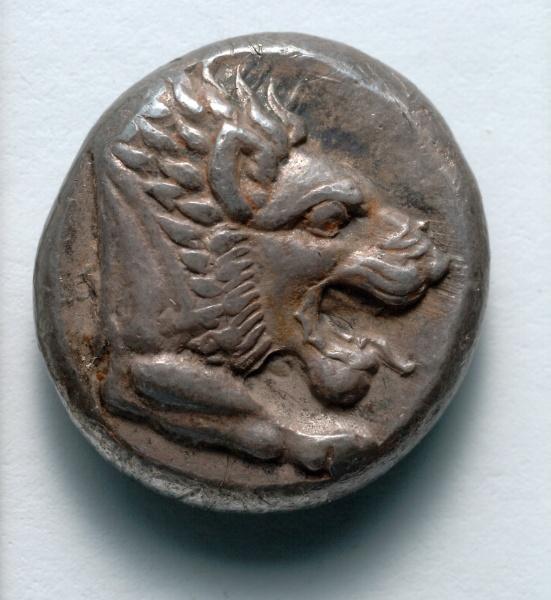
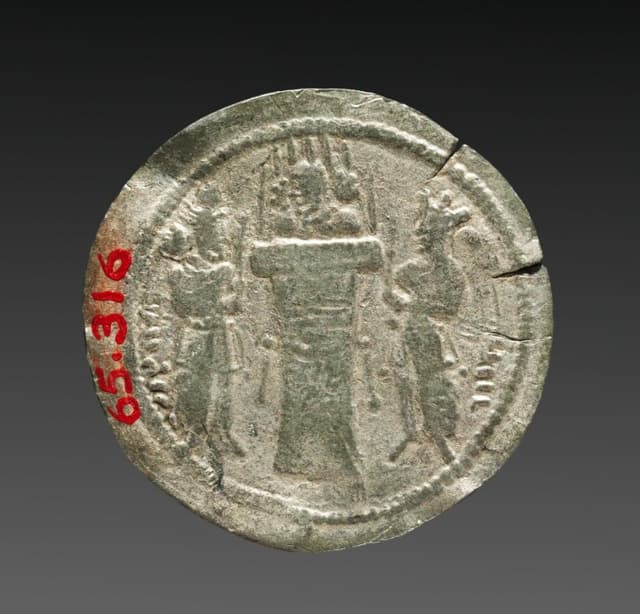
Two different museum specimens, not two sides of one coin. Photographs enlarged independently; not to scale.
Knidos · Obverse
 Open full photograph ↗
Sasanian · Reverse
 Open full photograph ↗
Issuer
Begin with the authority.
A world-coin collection can follow a country, a trading region, a ruler or one small design. Start by writing down who issued the coin, rather than fitting every piece into today’s map. A city, empire or colonial administration may be the useful historical heading. Keep the present-day location as a separate note when it helps you find the place.
The Cleveland Museum of Art identifies the lion coin here as a silver drachm minted at Knidos in Karia, dated 465–449 BCE. The other specimen is a Sasanian silver drachm associated with the reign of Hormizd II. These are two different coins, shown on different faces. Their shared denomination opens a comparison, not a claim that their monetary systems were identical.
Denomination
A name is only the beginning.
Drachm, rupee, franc and peso name monetary units; they do not provide a complete metal specification. Record denomination and material in separate fields. Then look for the particular issue, date and issuing authority. A familiar name can survive changes in design, weight or composition, so a description for one issue should not be copied to every coin bearing that name.
A museum’s material description of “silver” is useful evidence about its cataloged specimen. It does not give you a fineness percentage for a different coin. Keep any claimed standard, measured total weight and calculated silver content separate. If the necessary composition evidence is missing, leave the silver-content calculation blank. A silver-colored surface is not a material specification.
Dates & calendars
Read the date in its own system.
Copy the visible date or inscription before trying to convert it. Ask whether it uses a calendar year, a regnal year counted within a ruler’s reign, or another dating system. Keep the original reading alongside the proposed conversion and the reference used. An unclear digit deserves a question mark, not a silently completed year.
Catalog dates can also be ranges assigned through research rather than numbers struck on the coin. Cleveland dates the Sasanian specimen to 302–309 CE, while its cultural attribution gives Hormizd II’s reign as 303–309. Preserve those two descriptions separately. Do not compress them into an exact minting year or assume the photograph displays a readable date.
Mint & design
Give an attribution a source.
Record mint names and mintmarks separately. A letter, symbol or group of characters may have a role that requires a specialist reference. Photograph it clearly and note its position before assigning a mint. Distinguish a name explicitly stated in a catalog from your own tentative interpretation. “Uncertain” is a useful entry when the evidence has not settled the question.
Describe what you can actually see on each face: portrait, animal, building, lettering or border. Use obverse and reverse when the reference identifies them. Here, the Knidos image shows the obverse lion; the Sasanian image shows the reverse altar scene. Similar imagery can make a rewarding collecting theme without making the coins part of the same issue.
Your collecting record
Keep the object and the evidence together.
Measure diameter in millimeters and total weight in grams, recording the instruments and any limits on precision. For an irregular outline, note how the diameter was taken. Measurements published for a museum specimen describe that object, not a universal acceptance test. The two photographs here are enlarged independently and are not a size comparison.
Build a record with issuer, denomination, material claim, date reading, mint attribution, measurements and clear photographs of both faces and the edge when safely possible. Keep the receipt, seller description, provenance supplied and references with it. Note visible wear, scratches, clipping or mounting traces in plain language. Handle carefully by the edges and avoid cleaning to improve a photograph. Start with a narrow theme you enjoy, then let each well-documented coin suggest the next question.