
The 1804 Dollar: Four Clues Hidden in One Date
What can one silver dollar hide? Follow four clues from a diplomatic gift to the one detail that makes an 1804 strike impossible.
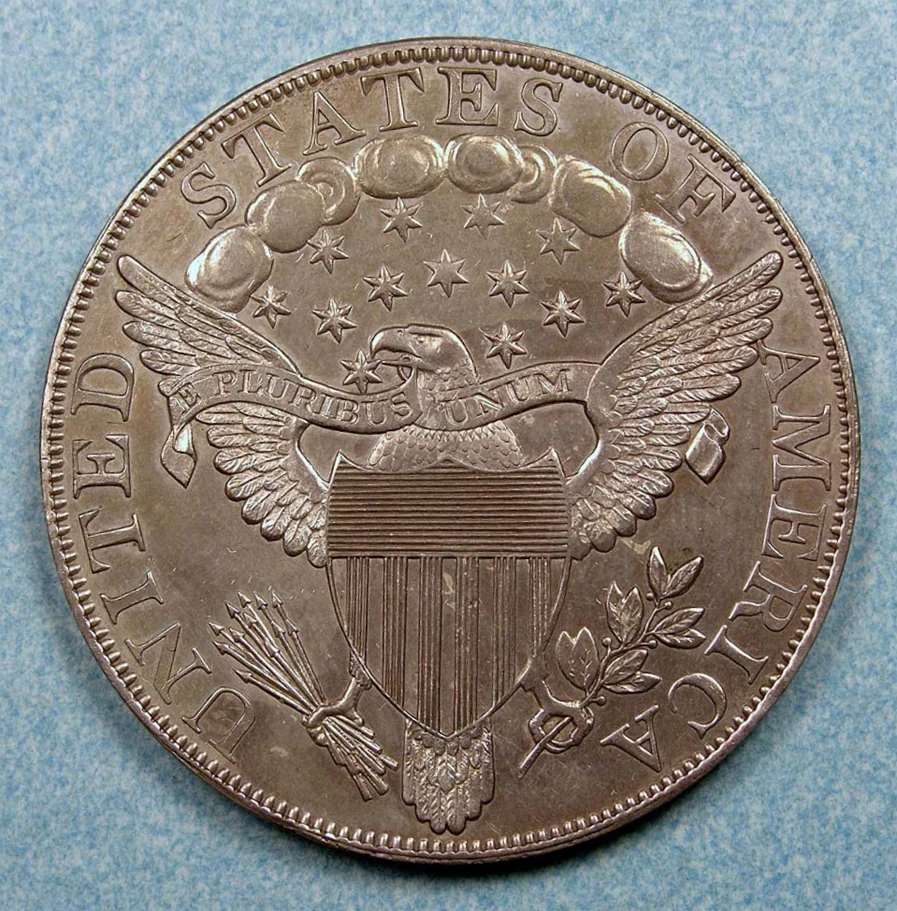
The date says 1804. The first examples bearing it that collectors know today came from a diplomatic order decades later. Then someone made a later version on a piece of silver that already carried a date of its own.
The Mint did make silver dollars in 1804. Those strikes are generally understood to have used dies dated 1803; no surviving dollar inscribed 1804 is accepted as having been struck that year. Start with the inscription and follow the evidence to the most revealing clue.
The countdown
4 in the countdown
The date was made for diplomacy
Class I
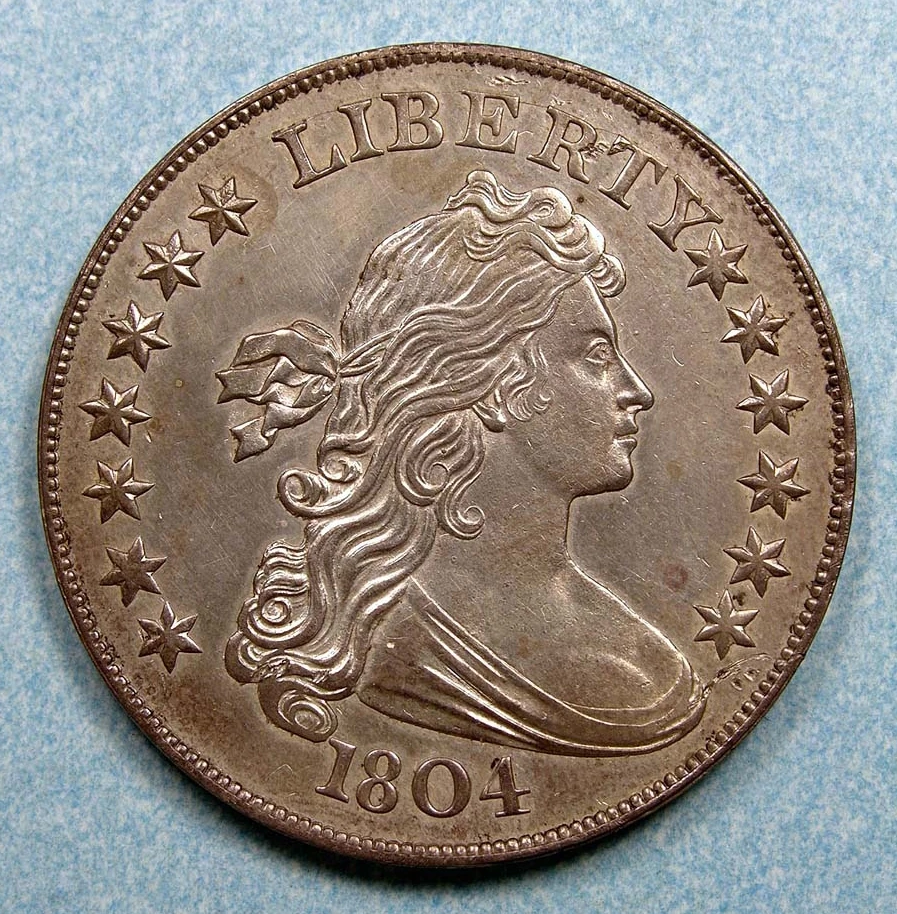
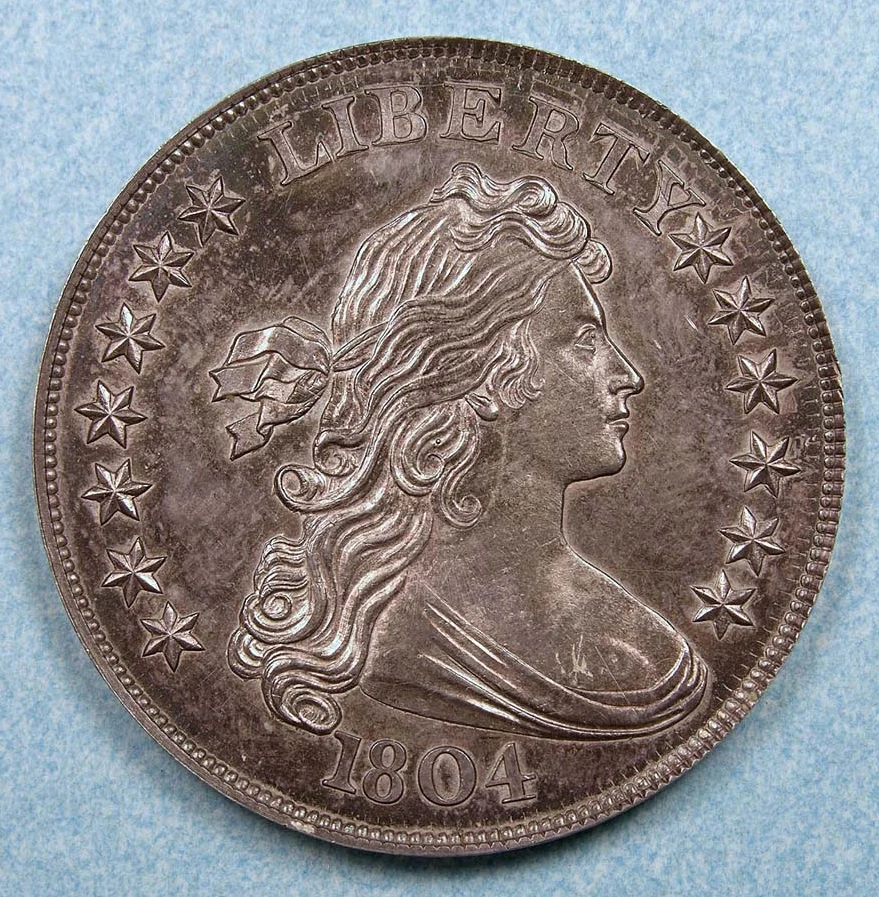
A Class I silver dollar bearing the date 1804. National Numismatic Collection, National Museum of American History, Smithsonian Institution. U.S. public domain (federal employee photograph); Public Domain Mark 1.0. · Image credit and rights 1804 on the face
Look beneath Liberty: the date is right there. But the Mint struck the earliest known dollars bearing it in 1834–35 for diplomatic presentation sets. Numismatists call these Class I. The photographed specimen belongs to that class; its inclusion here does not mean it traveled abroad in a gift set.
Evidence: Smithsonian Class I specimen · American Numismatic Association exhibit
3 in the countdown
One later specimen has no edge lettering
Class II
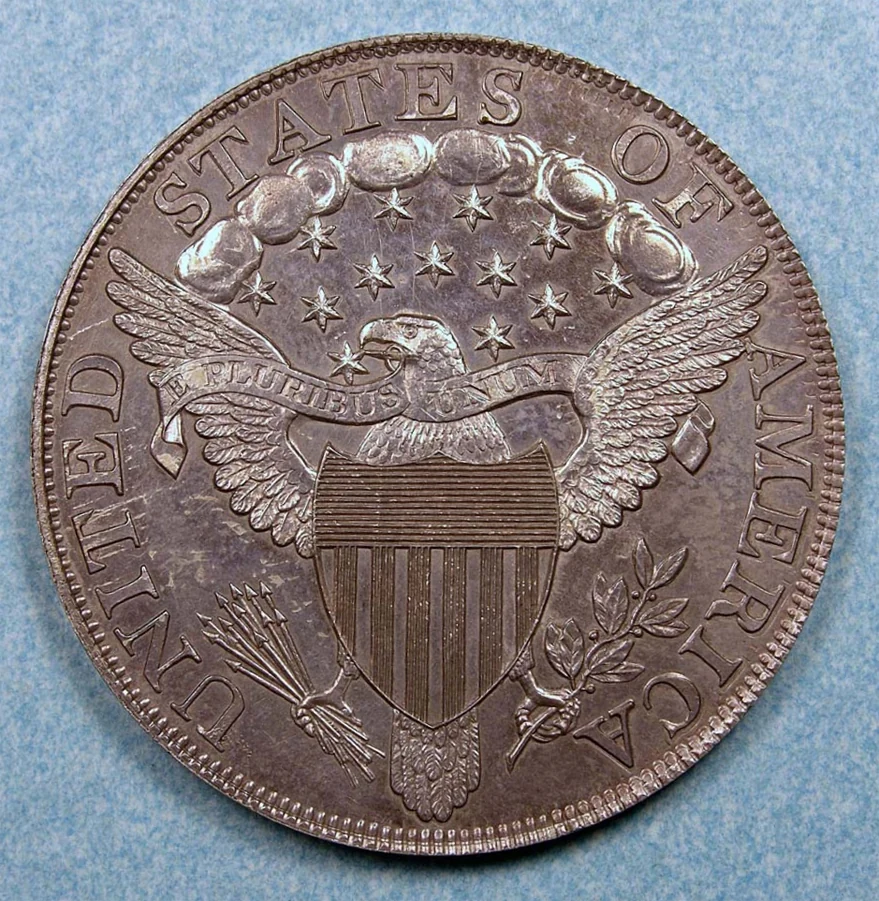
Reverse of the Class II dollar. The edge is not visible. National Numismatic Collection, National Museum of American History, Smithsonian Institution. U.S. public domain (official-duty federal employee photograph); Public Domain Mark 1.0. · Image credit and rights No lettering on the edge
An eagle on the reverse tells only part of the story. The later Class II dollar lacks the edge lettering found on Class I. That narrow third surface, not visible in this photograph, gives you a way to distinguish the two even though both coins carry the same date.
Evidence: Smithsonian bulletin, coin 31 · Smithsonian Class II specimen
2 in the countdown
A lettered edge does not settle the date
Class III
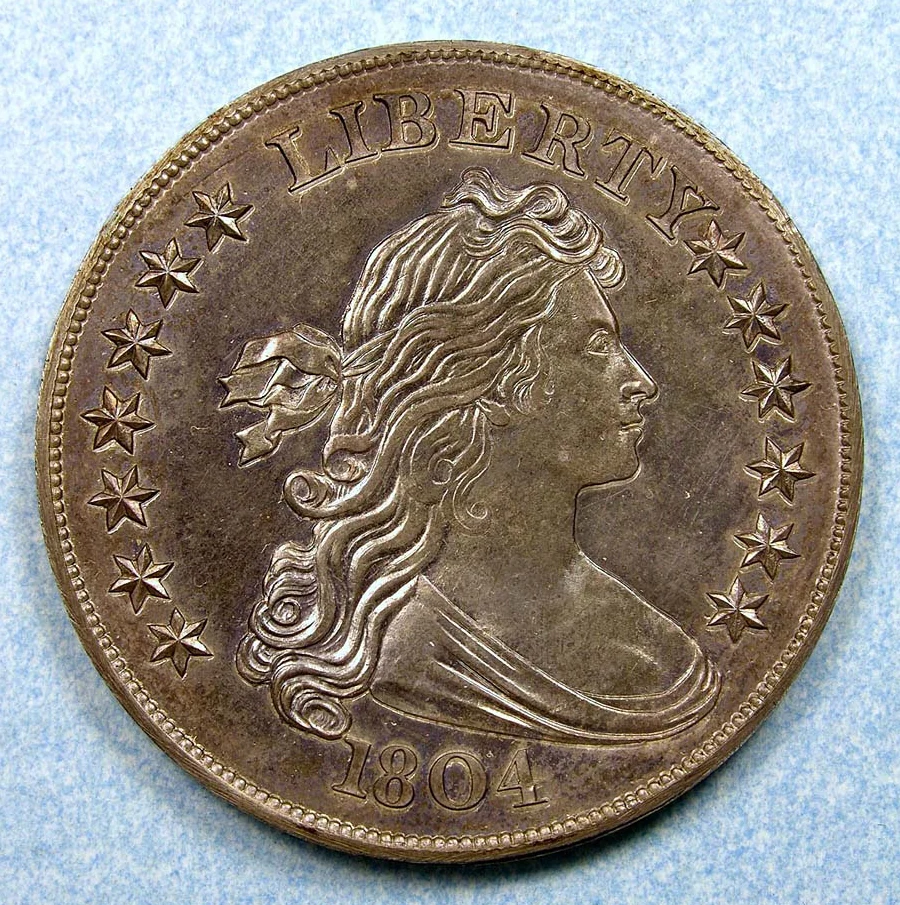
Obverse of a Class III silver dollar. The edge is not visible. National Numismatic Collection, National Museum of American History, Smithsonian Institution. U.S. public domain (official-duty federal employee photograph); Public Domain Mark 1.0. · Image credit and rights Lettering on the edge
Here is another coin with 1804 under Liberty. Class III was struck later, too, but it has lettering on the edge. Lettering separates Class III from Class II; it cannot separate Class III from Class I by itself, since Class I also has lettering. The photograph shows the date, not the edge.
Evidence: American Numismatic Association exhibit
The grand finale
1 in the countdown
What’s under the date?
The Class II overstrike
Obverse of the same Class II dollar shown in clue 3. The host coin is documented by the Smithsonian. National Numismatic Collection, National Museum of American History, Smithsonian Institution. U.S. public domain (official-duty federal employee photograph); Public Domain Mark 1.0. · Image credit and rights 1857 on the coin underneath
Turn the Class II specimen from clue 3 over and the American date still reads 1804. The Smithsonian identifies what the Mint used in place of a blank: a Swiss shooting thaler dated 1857. That does not tell us the exact year the American dollar was struck. It tells us it could not have been struck before the coin underneath. The date you cannot readily see tells you more about when this object was made than the one you can.
Evidence: Smithsonian Class II specimen · See a separate 1857 Bern shooting festival coin for comparison
You’ve reached number one.
Back to the JournalHow the clues are ordered
The clues are ordered by how they build on one another, not by price, rarity or date of discovery. We distinguish the date on a coin from evidence for when it was actually struck. The museum photographs show the exact specimens discussed; face photographs do not document what is on the edge.