
Several collecting worlds, one material
A licensed film character, an artist’s one-off form and a traditional animal miniature can all be silver sculpture. They do not necessarily share the same audience, sales channels or reasons for being valued. Begin with the kind of object that interests you rather than treating the entire field as a single investment category.
For character work, the connection to a story or franchise may be central. For studio work, the maker’s methods and individual decisions may matter more. In either case, material evidence, condition and documentation still deserve attention. A familiar name cannot answer every question about a particular piece.
This guide is a set of entry points, not a ranking of brands or a claim that one market is growing fastest. Manufacturer pages establish what a business says about its products. They do not by themselves establish independent resale demand or the quality of every example offered by a third party.
New Zealand Mint Collectibles and Agoro
In August 2024, New Zealand Mint Collectibles announced its evolution into Agoro. That is the spelling to use. Historic objects and their boxes may appropriately retain the New Zealand Mint name; the later brand should not be projected backwards onto every older certificate.
The business distinguishes its collectibles identity from the New Zealand Mint bullion business. When researching a model, start with the name, product code, release date and documentation actually attached to it. Do not transfer the specifications of a current coin, miniature or differently sized release to an older item with the same character.
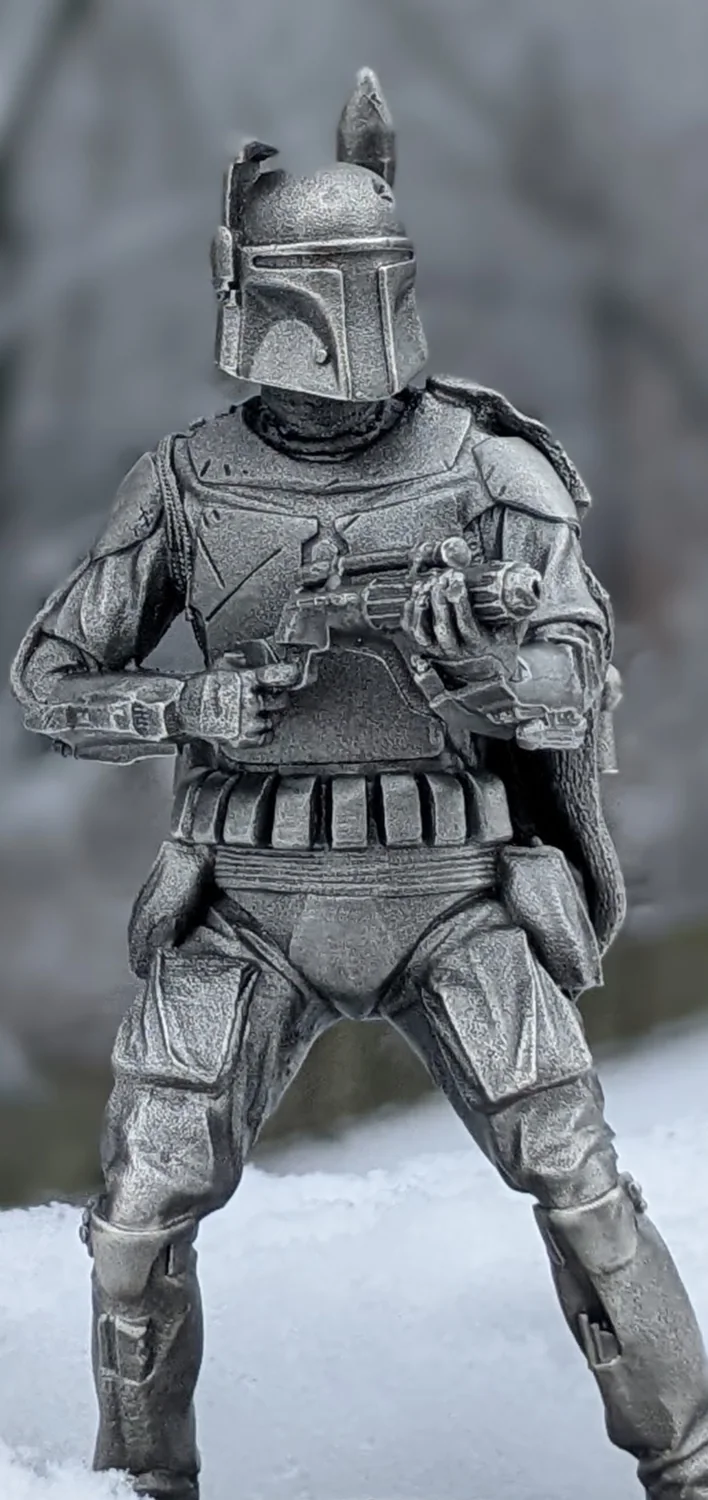
Rich’s Boba Fett miniature is a useful collection case study. The original object record preserves its photographs and recorded release details. Use that specific record to study the cape, jetpack and projecting blaster, then check the exact edition documentation when comparing another example for sale.
A statue is not automatically a coin because a mint markets it. Distinguish sculptural miniatures from legal-tender coins with unusual shapes, plated merchandise and painted resin models. Similar subjects can appear in all of those forms.
The Agoro maker profile keeps the brand history and collecting context together.
Silver Statues and the artist behind the model
Silver Statues describes a business history beginning under Heads or Tales Hotco and a new ownership team in 2021. The company states that its sculptures use .925 sterling silver. Treat those as manufacturer statements, then check the exact product for its own weight, dimensions, edition and construction details.
The Wall Street Bets sculpture in Rich’s collection is made by Silver Statues. The public model listing does not name a designer, and the physical certificate has not been checked for this review. The figure turns the community’s visual vocabulary into a three-dimensional object: sunglasses, diamond hands and a rocket. The collection record, with its several views and presentation box, is the right place to examine this particular example.
Separate the designer, sculptor, foundry or manufacturer, issuing brand and retailer when the evidence allows. One person or company can fill several roles, but a seller’s listing should not silently become an artist attribution. Record the wording of the original certificate or maker’s page and retain the source.
An announced edition is a limit stated by the issuer, not proof that every number was made, sold or remains in collectible condition. An individual number also does not demonstrate that the sculpture was cast in that chronological order.
Look beyond the franchise
Contemporary silver art is broader than representational statues. The V&A’s studio film with Ndidi Ekubia follows her exploration of silver through raising, chasing and embossing. Her organic vessels show how a functional form can also make a sculptural statement. A “sculpture” search alone can miss this kind of work.
At another scale, Patrick Mavros’s female tortoise model is described by the maker as sterling silver, modeled by Patrick and handcrafted at the Zimbabwe studio using lost-wax casting. This is a specific product example, not a blanket specification for everything carrying the name.
When exploring an independent artist, seek a studio biography, photographs of the actual work and a clear account of materials and edition policy. Ask whether the work is unique, an artist’s proof or part of an edition, and whether there are versions in other metals or sizes. If a commission is involved, clarify the dimensions, finish, delivery, approval stages and repair arrangements before making a commitment.
Our animal miniatures guide introduces further maker-led paths. There is room for traditional small animals, abstract vessels and contemporary narrative figures without forcing them into one definition of “collectible.”
What belongs in an edition record
A useful record begins with the exact title and subject, maker or issuer, sculptor if identified, release date and product reference. Add stated fineness, documented silver-only weight where supplied, overall dimensions and whether the base or accessories are included in those measurements.
Record the edition wording exactly: numbered edition, maximum mintage, open edition, artist’s proof or another description. Photograph any number on the object, its certificate and its packaging separately. If they disagree, preserve the disagreement rather than choosing the most appealing number.
Keep a list of detachable accessories, stands, sleeves, capsules and fitted inserts. Packaging can help identify the intended presentation, but a box is not a substitute for an intact sculpture. Never assign a fixed percentage loss in value to a missing certificate or box without relevant market evidence.
Finally, retain purchase documentation, dated condition photographs and any correspondence about repairs or replacement parts. If you later sell, disclose known changes. A clear record lets the next person understand what is being offered without relying on a chain of copied listings.
Collect the object, not a promise
“Limited,” “sold out” and “rare” describe different things. A sold-out primary release can have many examples available secondhand. A small edition can have few interested buyers. Ask what evidence supports a scarcity or demand claim and whether it concerns the exact version you are considering.
Set a budget that includes the costs you will actually pay and the care the piece needs. Compare photographs and documented condition before comparing price alone. A repair on a projecting weapon, an altered finish or a missing stand may matter more to you than a low edition number.
External maker links here are research routes, not guarantees of stock, shipping availability, authenticity of third-party listings or future value. Enjoying the subject and the workmanship is a sound reason to collect. It does not need to be converted into an unsupported promise about returns.
Sources & further reading
Object identifications and image rights were checked against the named institutions. Maker descriptions are attributed to the maker; they are not independent appraisals. Sources checked 11 November 2026.