
Two round pendants hold tiny profiles inside warm rims. Their dark lines reward a close look, but the most compelling part of their story is a question still open: what were pendants of this type originally for?
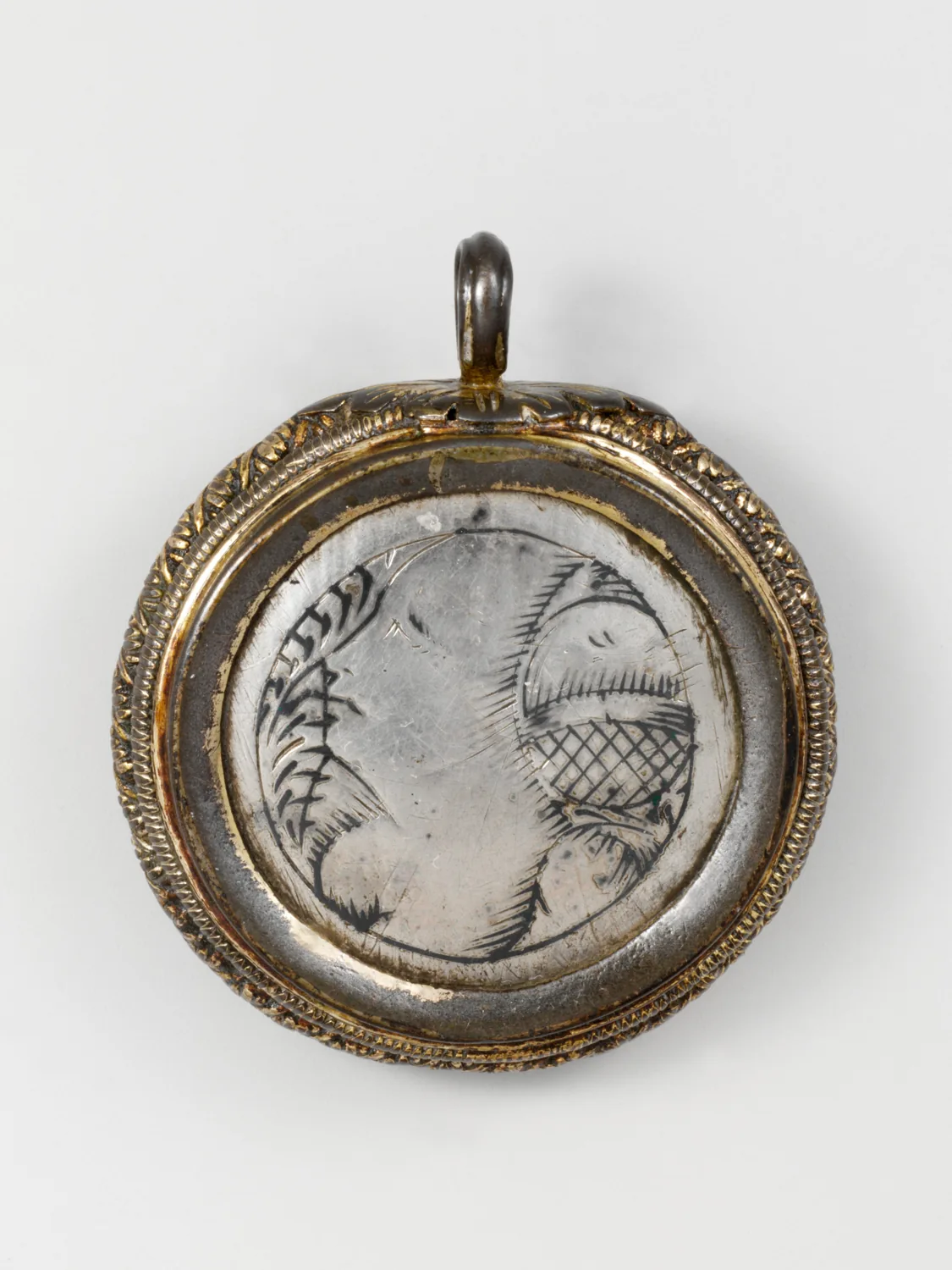
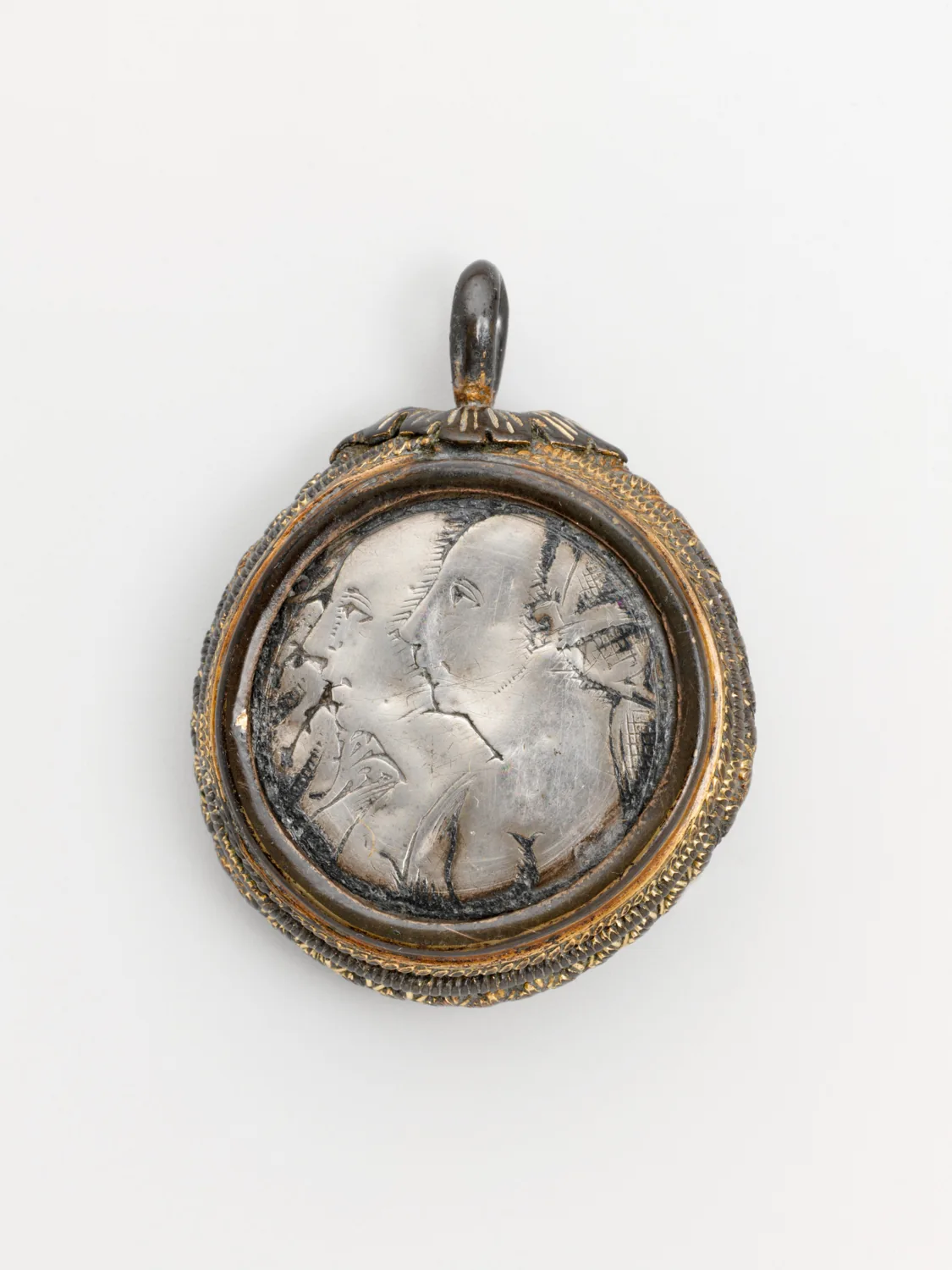
The Met catalogues both as probably Northern Italian, from the second half of the 15th century, in silver, niello and gilt silver. The larger is 3.8 cm across; the other is 2.9 cm. Their museum records describe them as one of a pair.
A theory is not a label
The Met says there is no firm evidence for the original purpose of this type of niello pendant. It notes theories ranging from betrothal gifts for examples with double portraits to portable reliquaries for those with religious motifs. Those possibilities remain theories, not established functions for these objects.
Compare the profiles, the dark detailing and the rims. Then turn to the records for the materials, dimensions and attribution. Even with two photographs and a museum identification, appearance does not establish an object’s original use, age or authenticity by itself.
Return to the guide to silver decoration for niello alongside filigree, engraving, relief and gilding.