
Wearable silver
Silver rings: small objects, long stories.
A silver ring can carry a promise, a sculptor’s idea or the evidence of years of wear. Its appeal is concentrated into something you can turn between two fingers: the curve of a band, a clasped-hand motif, a deliberately darkened recess.
Start with three questions. What is it made from? What kind of ring is it? And can you comfortably wear it? Those answers give you a firmer starting point than a famous name or a weight in grams alone.
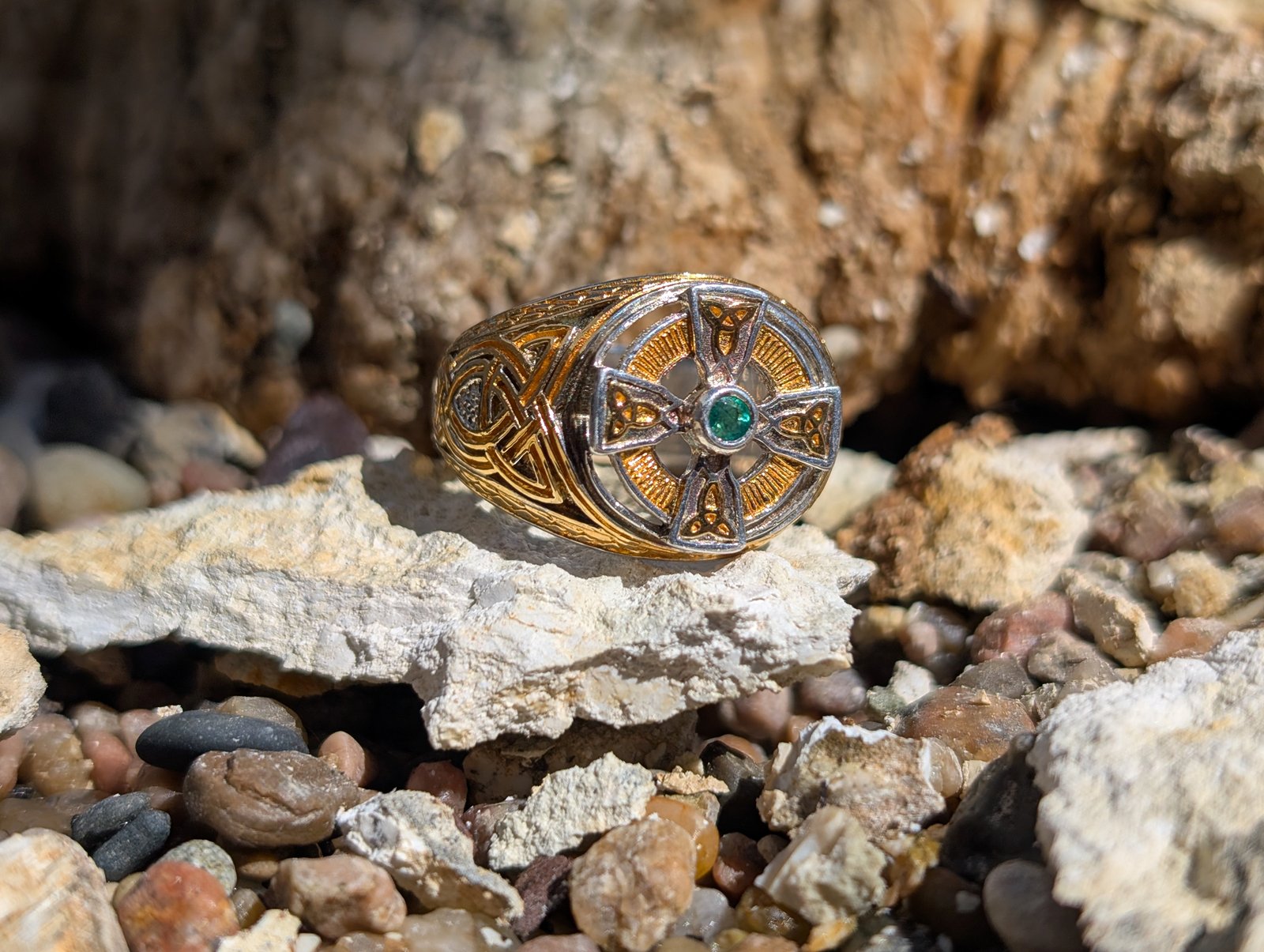
Choose a form you want to look at, and live with.
- Bands: a continuous circle puts the emphasis on profile, width and surface. Compare how a narrow band feels with a broader one rather than assuming the same size will fit both.
- Symbolic rings: a motif gives the object another layer to investigate. Fede rings use joined hands; London Museum’s silver example is cataloged to the 17th century.
- Sculptural rings: volume becomes the main attraction. Georg Jensen’s Moonlight Grapes designs turn rounded silver elements into bands or clusters. Look at the ring from the side as well as from above.
For a wearing collection, try the shape while opening and closing your hand. For a study collection, record the construction, markings and any repairs. A ring can belong in both, but an appealing display object is not automatically a comfortable everyday choice.
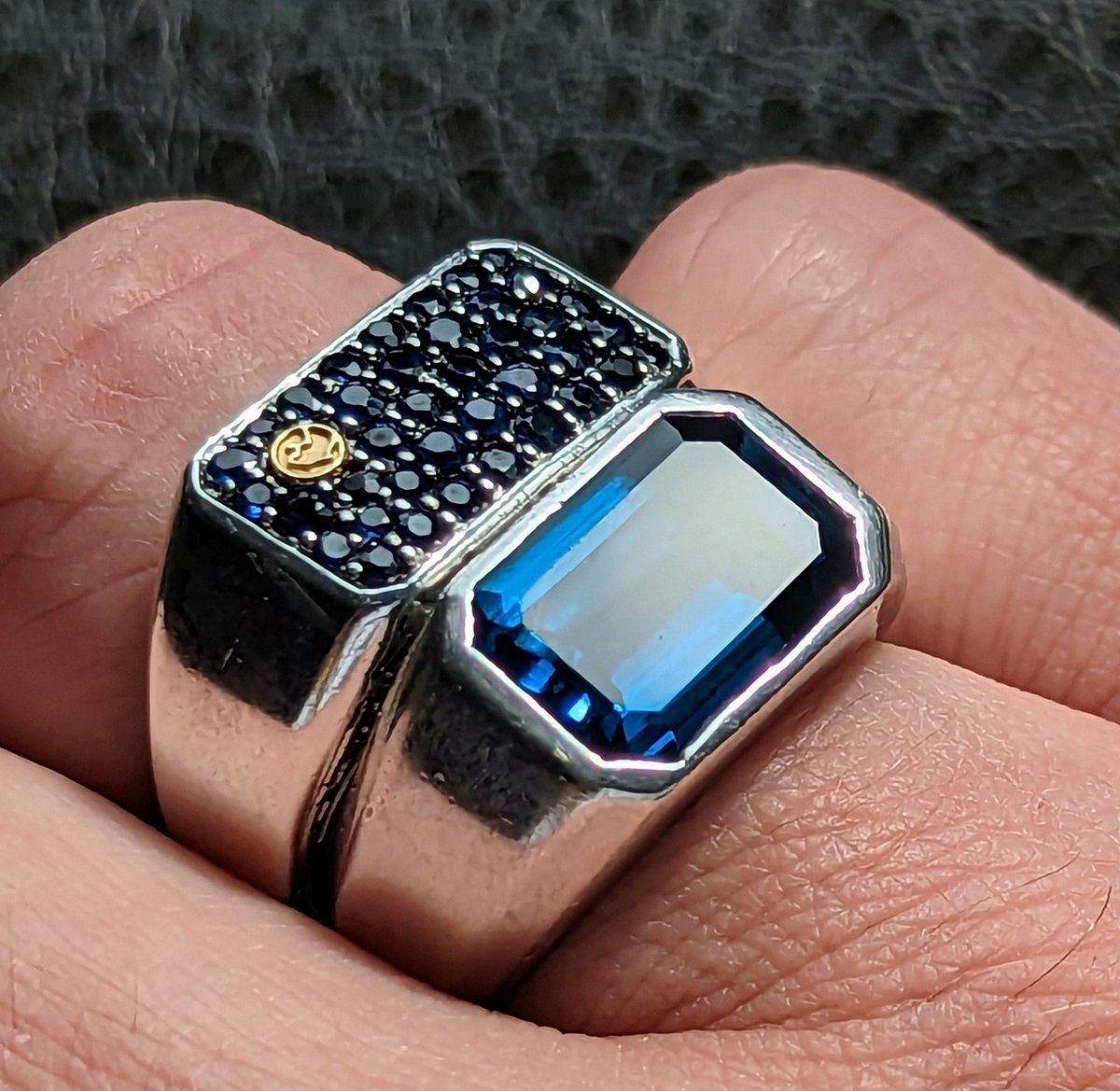
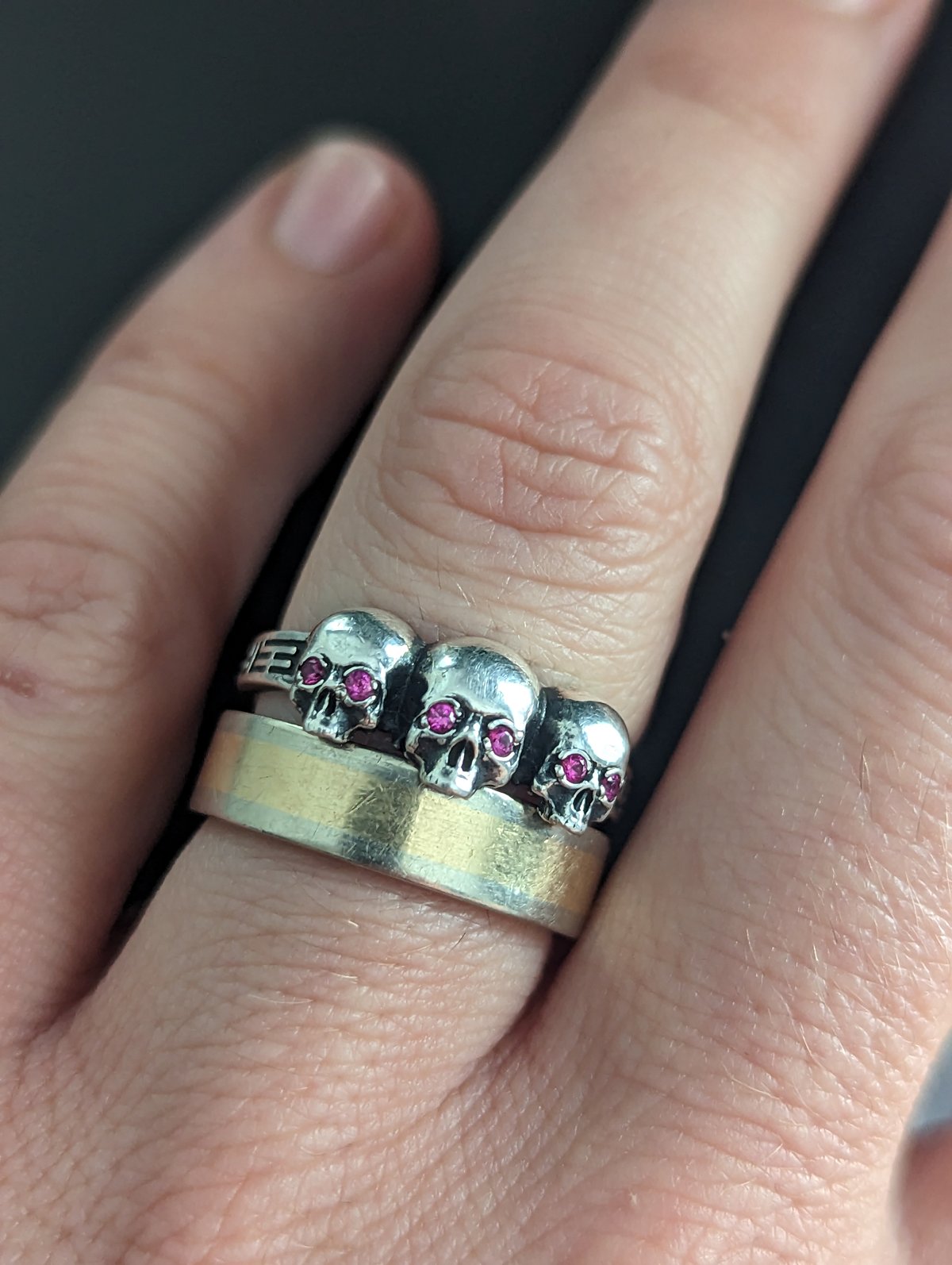
A short history, through surviving objects.
There is no need to give silver rings one tidy origin story. London Museum holds a Roman silver ring whose wire hoop ends in snake heads. The museum interprets it as protective jewelry. Its later silver fede ring uses clasped hands associated with marriage. These are specific objects with specific catalog records, not proof that every similar ring served the same purpose.
- Roman period: a surviving snake-headed silver ring combines ornament with protective meaning.
- 17th century: a silver fede ring preserves the joined-hands marriage motif.
- 1974: Elsa Peretti begins her collaboration with Tiffany & Co., bringing organic, sculptural forms to its jewelry.
- 2023: Georg Jensen dates its Moonlight Grapes band design to this year, reworking a motif from earlier hollowware.
The last example is a useful collecting lesson: an old design vocabulary can produce a new ring. Ask whether a date refers to the original motif, the design or the particular object.
Follow the designer as well as the house.
Elsa Peretti and Tiffany: Peretti’s interest in fluid, tactile forms offers a way into designer jewelry beyond the logo. Learn the collection name and compare the shape with documented examples. The designer, the selling house and the date of manufacture are separate details to establish.
Georg Jensen: Moonlight Grapes shows how one motif changes scale and silhouette. A loop of beads makes a band; a raised cluster makes a sculptural ring. The medium cluster is described by the maker as oxidized sterling silver, so its dark accents are part of the intended finish.
Read the Tiffany & Co. history or explore the wider makers and dealers directory. A brand name is a research lead, not an authentication result.
Read the metal description before the sales story.
Sterling silver contains 92.5% silver, commonly expressed as 925. Silver plate is a layer of silver on another metal. That difference matters when comparing prices, wear and metal content.
A 925 stamp alone is not a complete UK hallmark. Current UK guidance identifies three compulsory components: a sponsor’s mark, a fineness mark and an assay-office mark. A date letter is optional. Rules and exemptions depend on the jurisdiction and object, so do not use the absence of one mark to date or dismiss every older ring.
Learn how to assess silver authenticity before relying on an inscription or seller’s attribution.
Size is a system, not a universal number.
US numbers, UK letters and European sizing are different conventions. Ask which system a listing uses and request the inside diameter in millimeters. Tiffany’s chart, for example, pairs its size 7 with a 17.3 mm inside diameter and 54.4 mm circumference. That is a reference from one chart, not a guarantee of fit across every design.
Measure a ring that fits the intended finger, then consult the maker’s guide. Wide bands and several rings worn together can need a different fit. Check the particular model’s advice rather than applying a universal “go up one size” rule. Before buying an imperfect fit, ask a jeweler whether that specific construction can be resized and what it would cost.
Three different meanings of value.
Buying price is what you pay for the finished object. As dated retail examples, Georg Jensen’s US pages displayed $525 for the Moonlight Grapes band and $690 for the medium cluster on November 5, 2026. These are advertised prices for named designs, not a general silver-ring price range, a checkout total or a resale estimate.
Resale value needs evidence from comparable completed sales and the condition of your particular ring. Check whether a quoted auction result includes fees. An asking price does not establish what a buyer will actually pay.
Metal value is a separate calculation. A hypothetical 10 g ring made entirely from sterling alloy contains 9.25 g of silver. Stones and non-silver components must not be counted as sterling weight. A buyer’s scrap offer can differ from the calculated metal value.
Use the metal-value calculator for metal context, then budget separately for the object, delivery and any fitting or repair work.
Keep the surface, and the record.
Dark recesses may be intentional. Tiffany warns that polishing can remove an oxidized finish. Check care instructions for the complete ring before treating it, especially when the materials or finish are uncertain.
Save the receipt, size, weight, seller’s description and clear photographs of every mark. Get return terms in writing. These records make future research easier without turning an uncertain attribution into a fact.
Understand silver tarnish and continue with the silver jewelry guide.