
Silver on the lunar surface
Silver helped power the electric vehicles astronauts drove across the Moon. Each rover on Apollo 15, 16 and 17 carried two non-rechargeable silver-zinc batteries. They supplied the driving and steering motors, plus an outlet for communications equipment or the television camera.
The batteries used silver oxide and zinc in the chemical reactions that supplied electrical energy. Silver was doing more than carrying current through a wire: it was part of the battery chemistry.
A battery for each stage of the journey
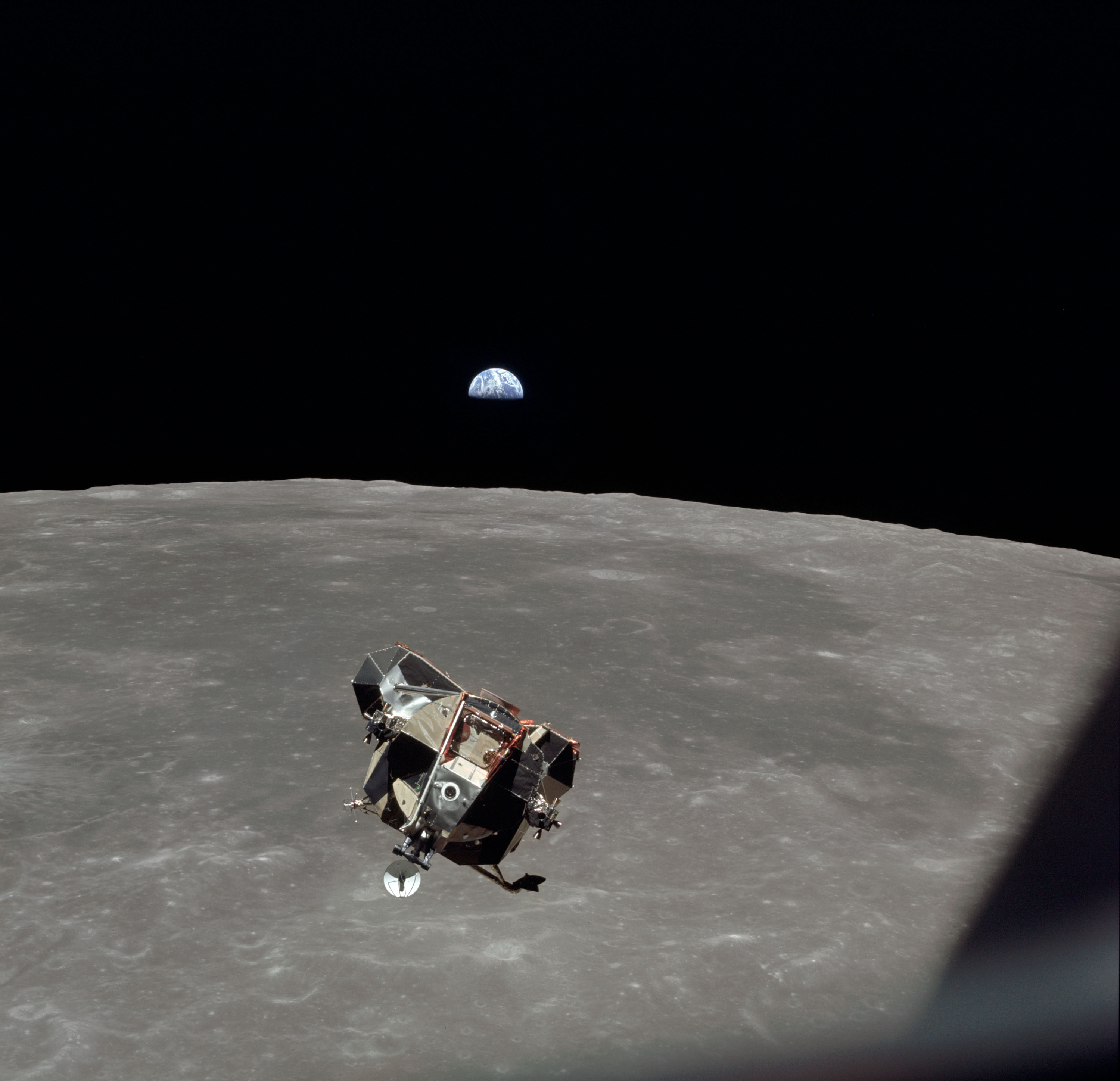
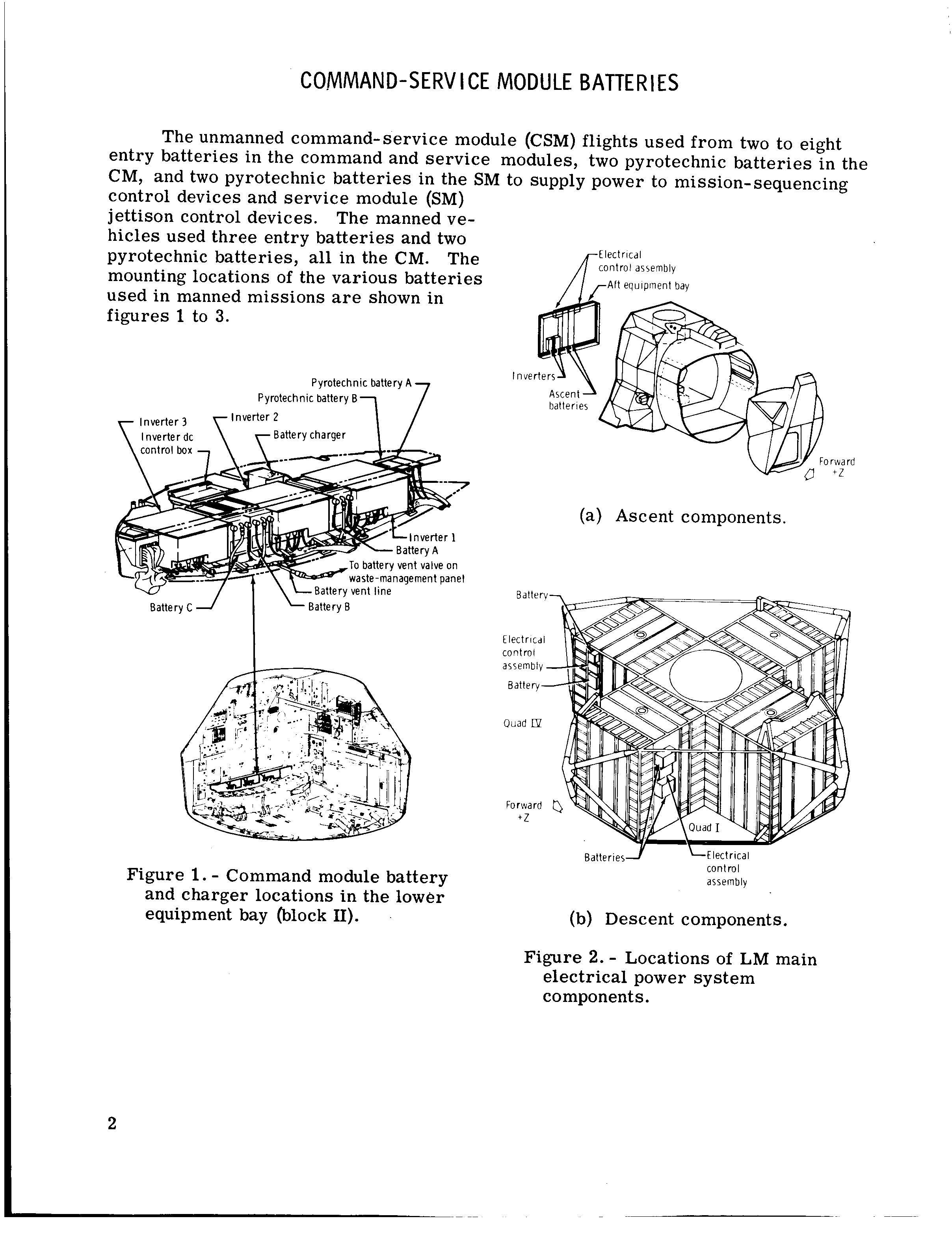
The Lunar Module, the spacecraft that landed astronauts on the Moon, also relied on silver-zinc batteries for its own electrical supply. Its main batteries were designed for a single discharge, meaning they were not recharged for another use.
The Command Module was the capsule that brought the crew back to Earth. During flight, fuel cells generated electricity from supplied fuel through chemical reactions. The capsule’s entry batteries supplemented that supply when needed. After the attached Service Module was discarded, they powered the capsule’s electrical equipment. These batteries were rechargeable, although designed for only a limited number of cycles.
Compact power, with trade-offs
Silver-zinc chemistry offered engineers substantial energy in a compact battery. Repeated charging was a challenge because the materials inside could deteriorate, so a design suited to a space mission was not automatically a long-lived everyday rechargeable.
Apollo’s engineers matched power sources to the job: fuel cells for normal Command and Service Module flight power, batteries for the lander and returning capsule, and another battery arrangement for driving on the Moon. That division of work is what makes silver’s role so interesting.
A complete battery’s weight includes more than silver. Its voltage describes electrical potential, while an ampere-hour rating describes charge capacity. Neither rating is a measurement of precious-metal content.
About this edition
Original source and editorial notes
Adapted from original material by Rich Silver. Original source card: Silver fact: supplied original card (publication date not established).
Reviewed 2026-11-05. Expanded the supplied original Silver fact; no revised card was supplied. Checked the battery roles against NASA technical history, distinguished primary Lunar Module batteries from rechargeable Command Module batteries, and retained the rover example. Added no mission-wide silver-mass estimate or investment forecast. The cards have no verified publication dates or public URLs; none have been inferred from file metadata. No source-card graphics are reproduced. Reader-first revision: Starts with the lunar rover and explains silver’s battery role before spacecraft terminology. Operational charging distinctions follow NASA’s contemporary 1972 battery report, not the conflicting broad caption in the 2016 retrospective. Removed generic voltage/weight verification advice; no total silver mass inferred. Existing identity, sources and related links retained.